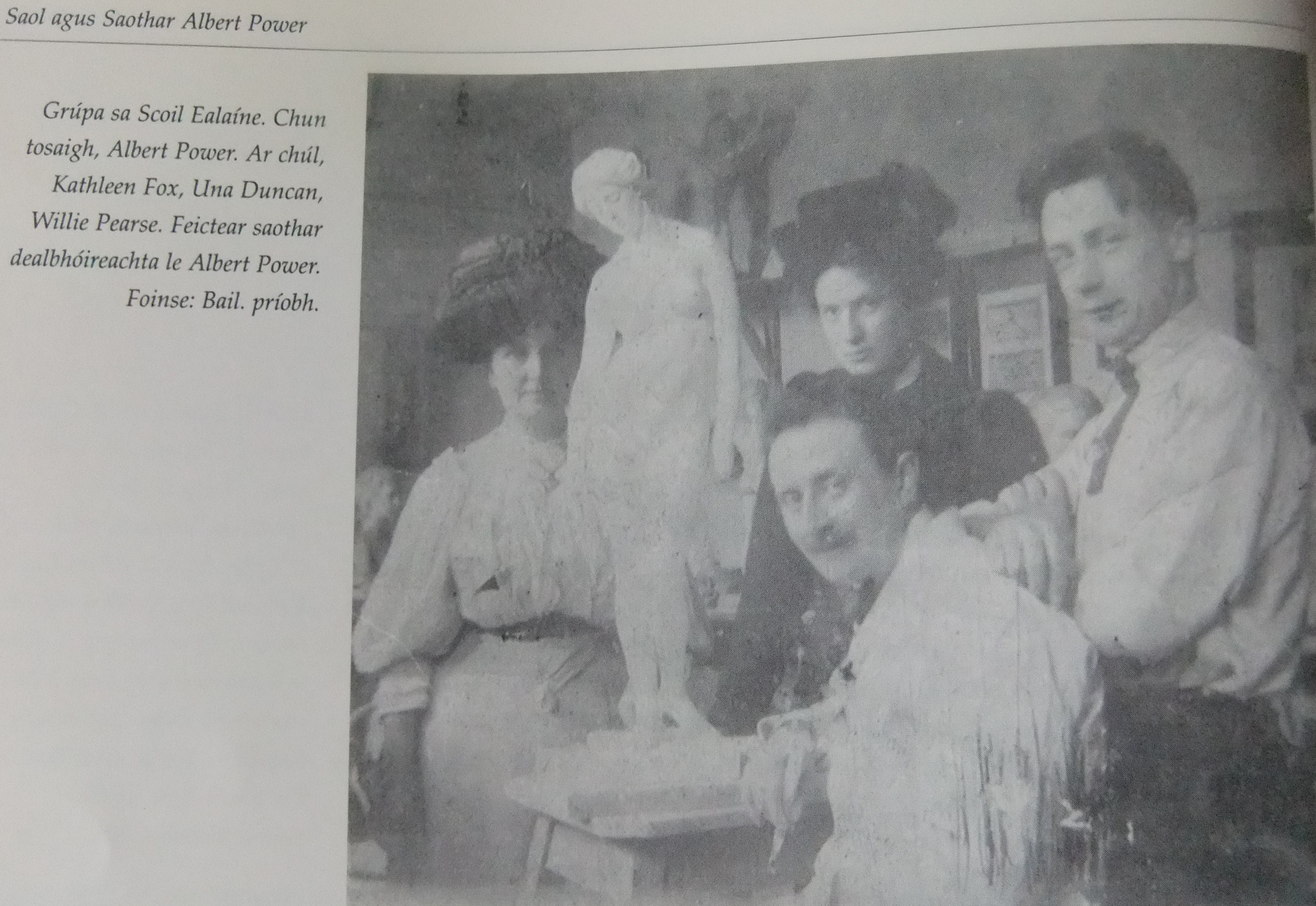
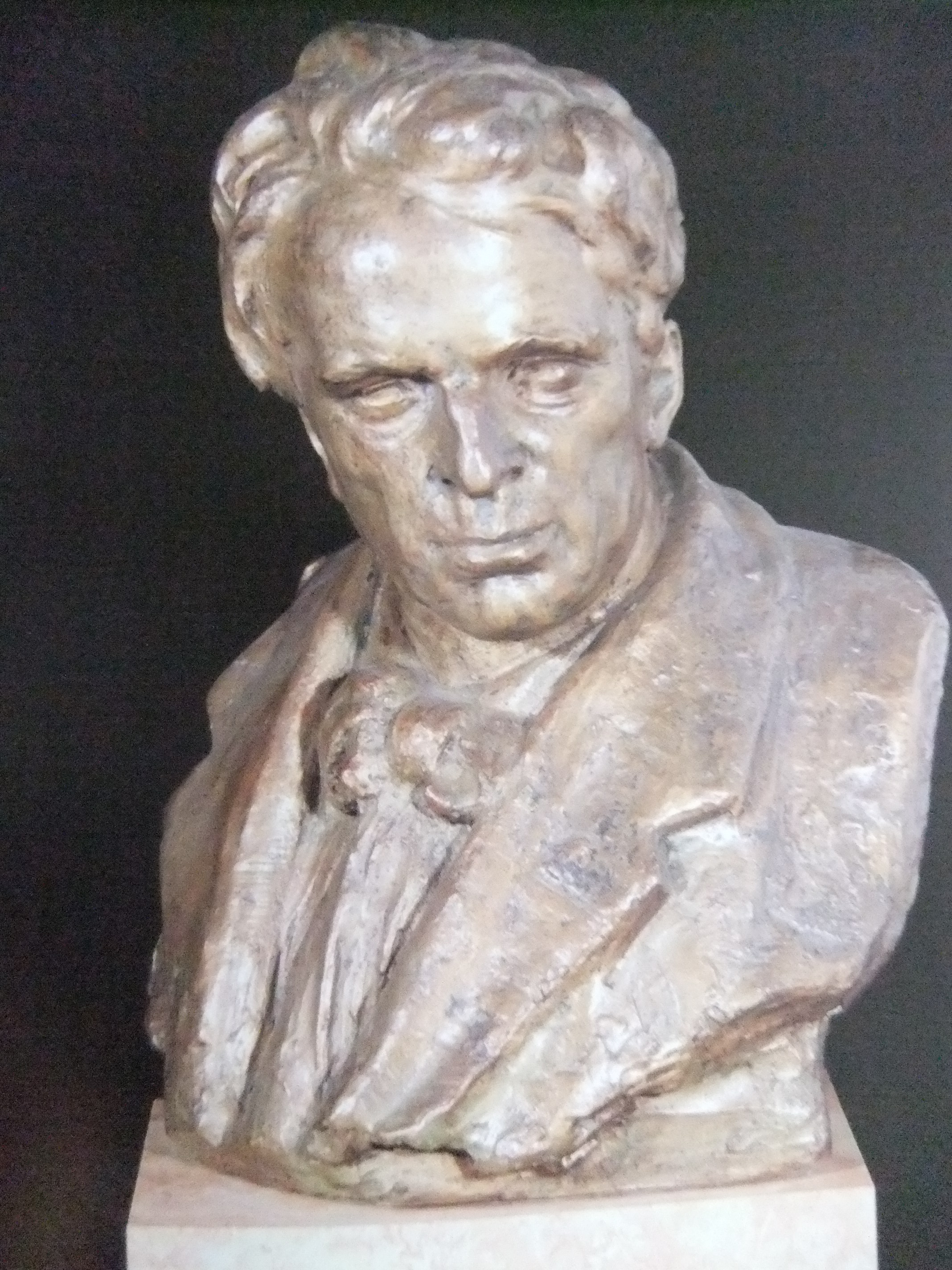
"He brought to his work a profound understanding of the Irish character — a sculptor not of heroic posture but of quiet, enduring humanity."

— Contemporary critical account, 1942

The Man & His Craft

Origins & Formation

Albert George Power was born in Dublin in 1881, into a city whose cultural life was stirring with the energies of the Irish Revival. He entered the Dublin Metropolitan School of Art, where he came under the influence of John Hughes and Oliver Sheppard — central figures in bringing a distinctly Irish sensibility to academic sculpture.

Power subsequently trained at the Royal College of Art in London under Edouard Lantéri, acquiring a rigorous grounding in modelling and anatomy that would underpin all his subsequent work.

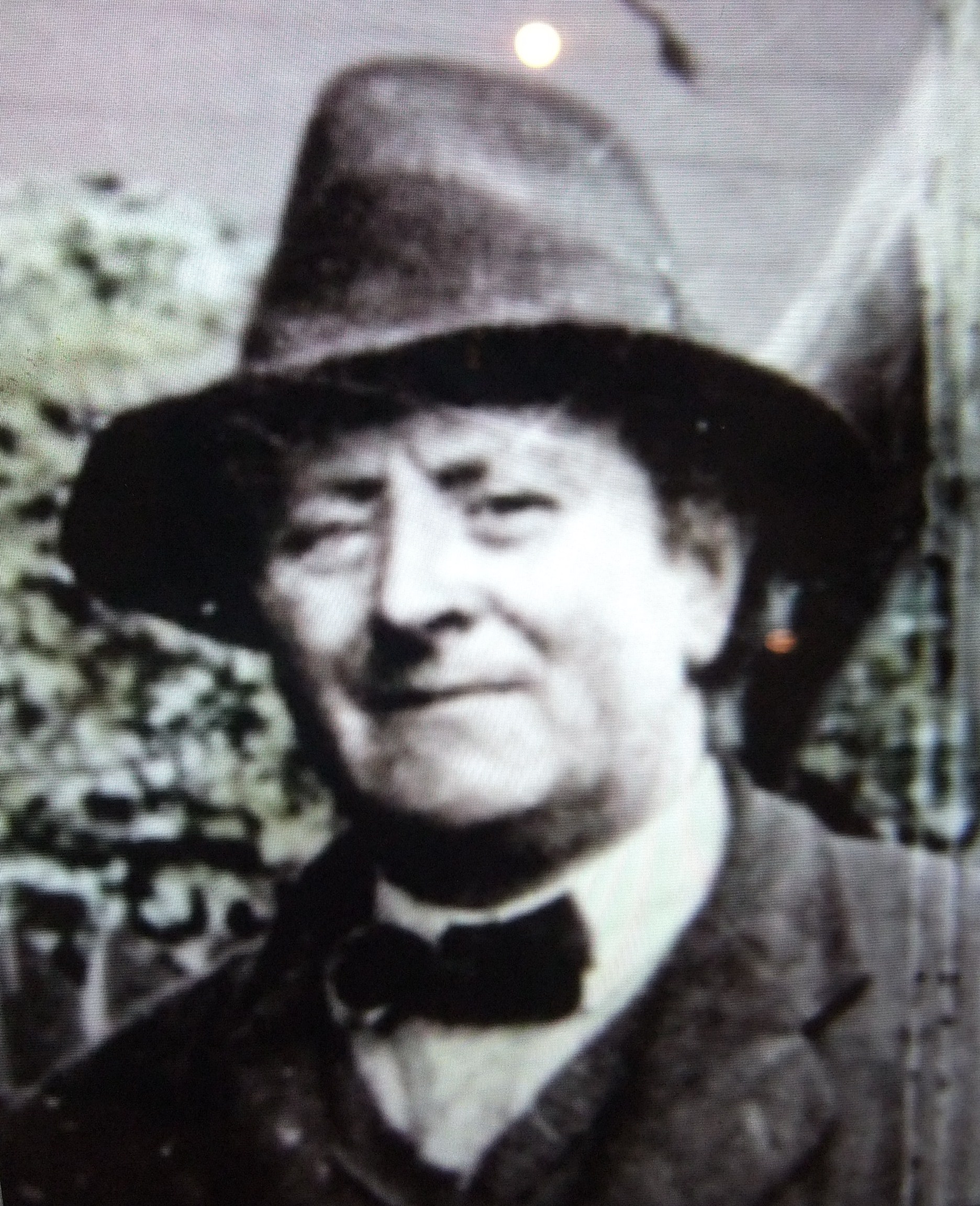
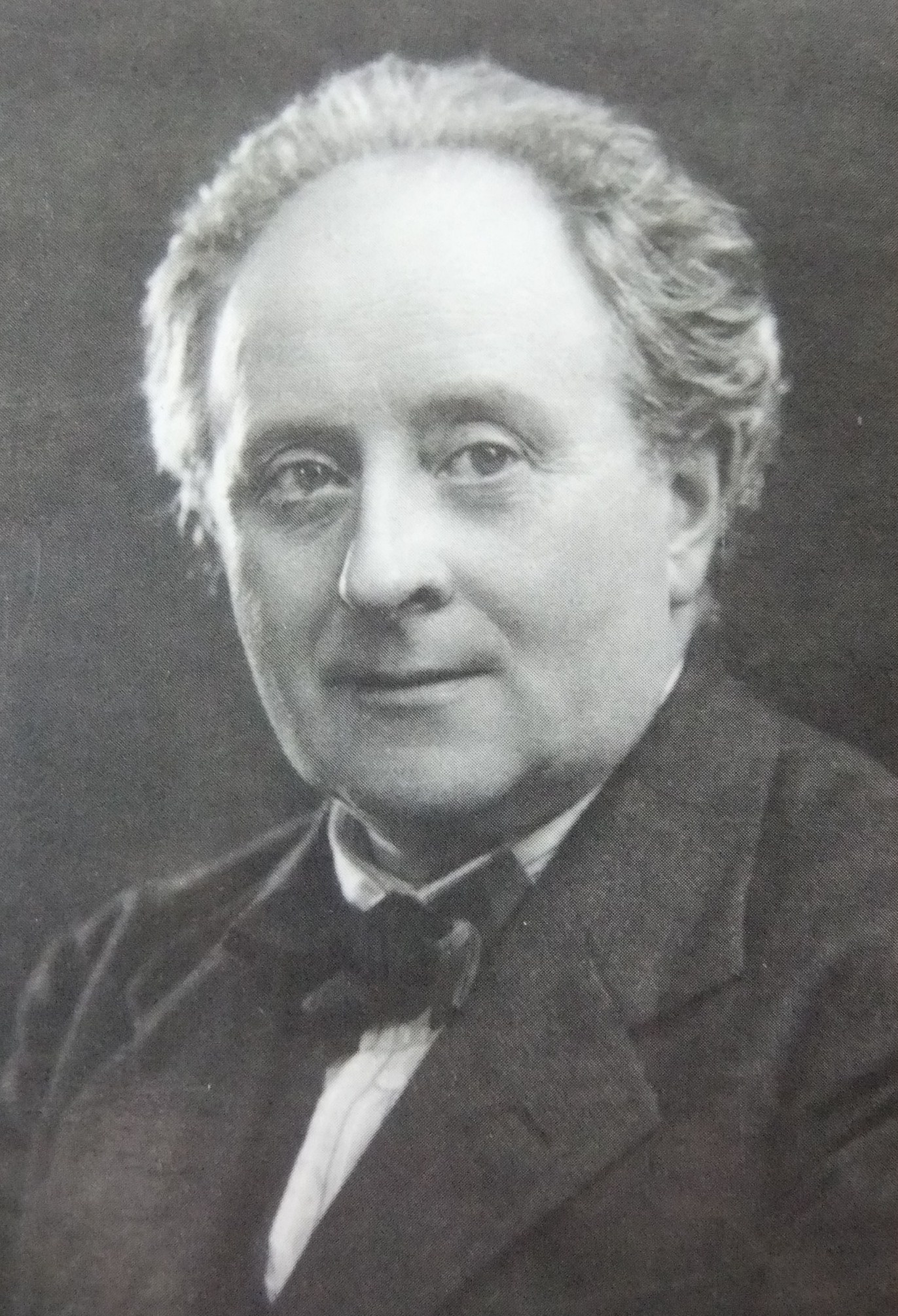
Albert G. Power RHA, sculptor
Albert G. Power RHA · 1881–1945

The Revolution & Its Commissions

Power worked at the hinge point of modern Irish history. His nationalist convictions were deeply felt and personal: during Easter Week 1916, he went to the GPO to offer help to the Pearse brothers. His close friendship with Willie Pearse — formed at the DMSA — and his circle of nationalist students had shaped those convictions from his earliest years as a sculptor.

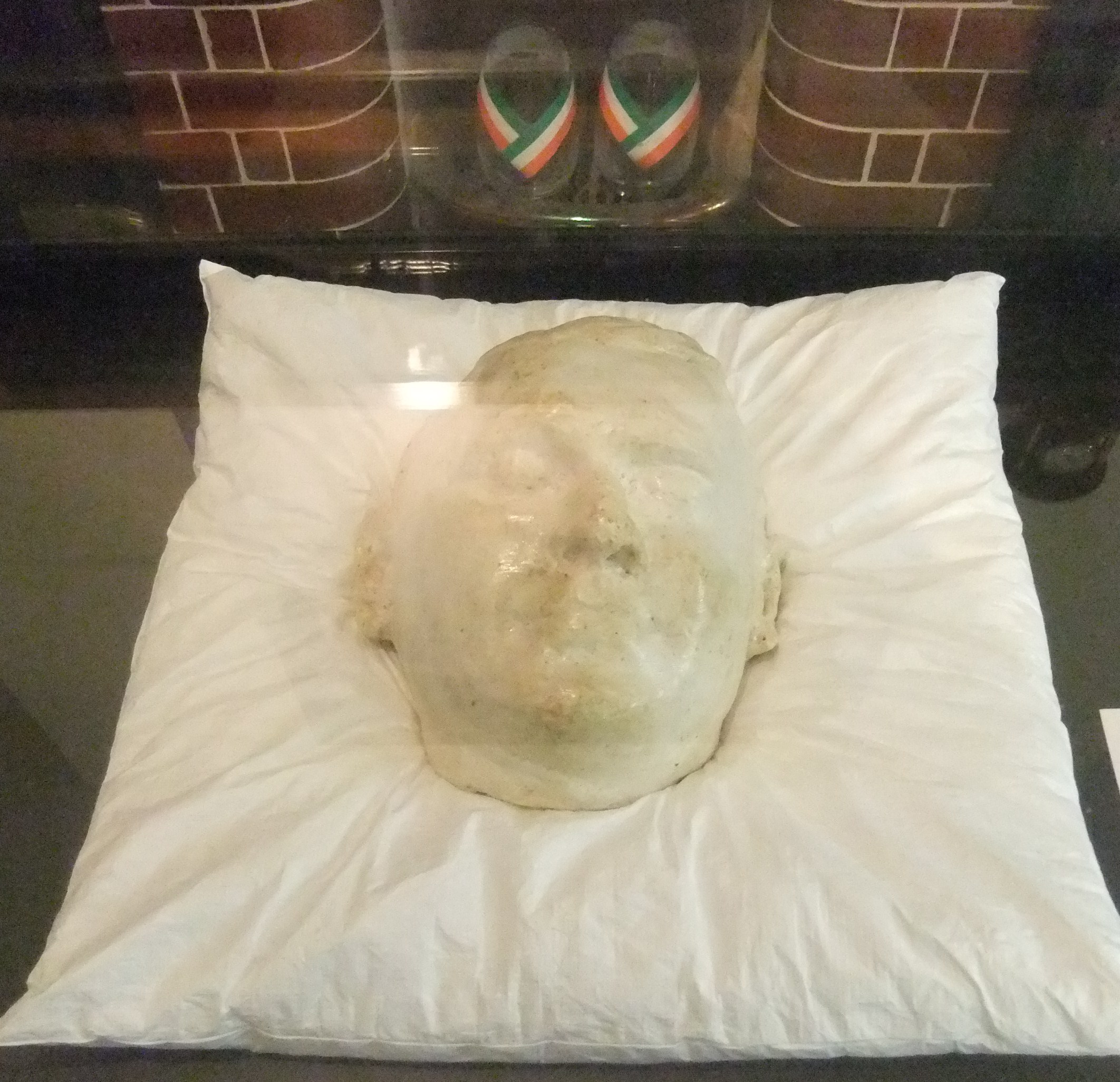
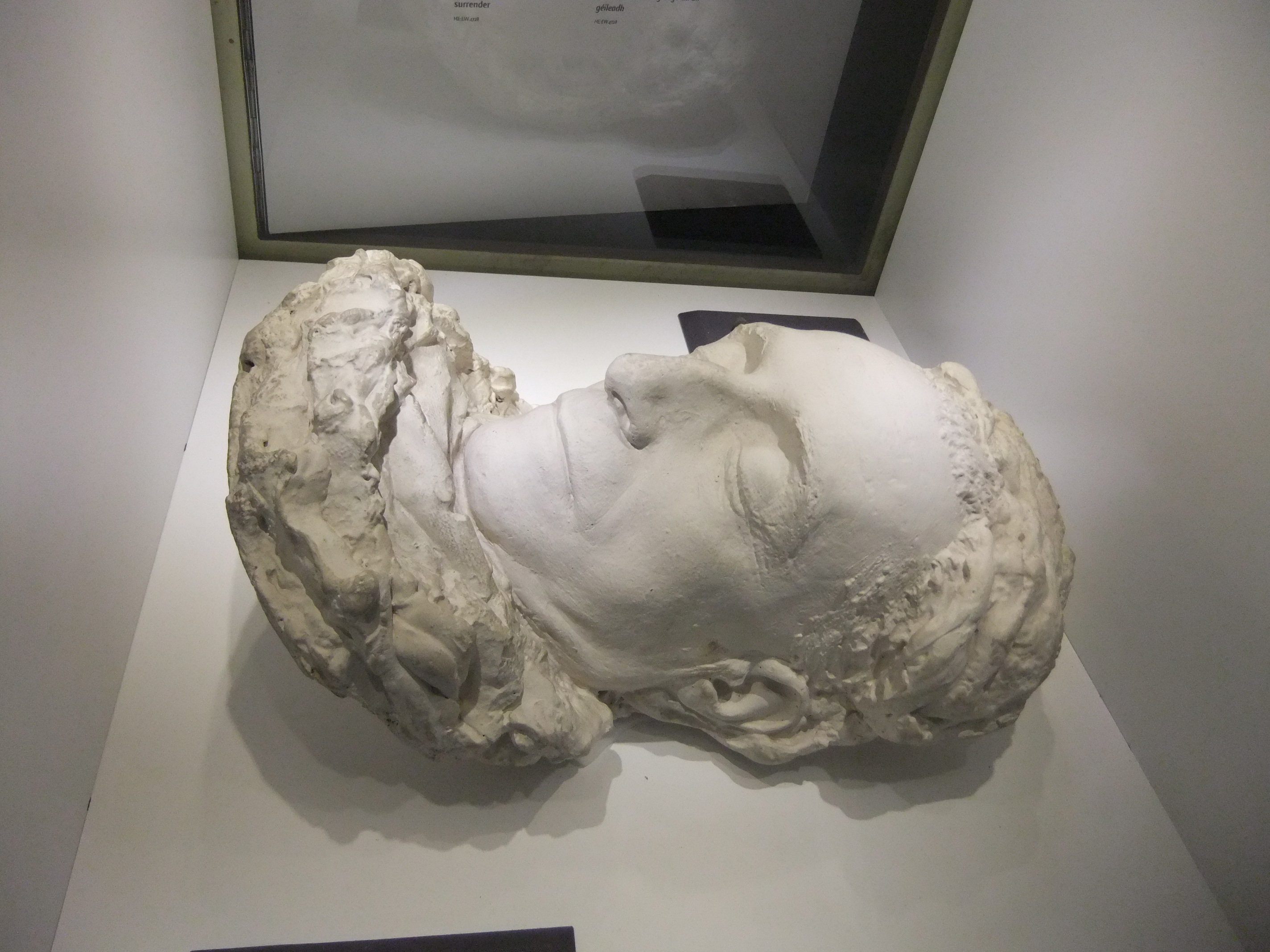
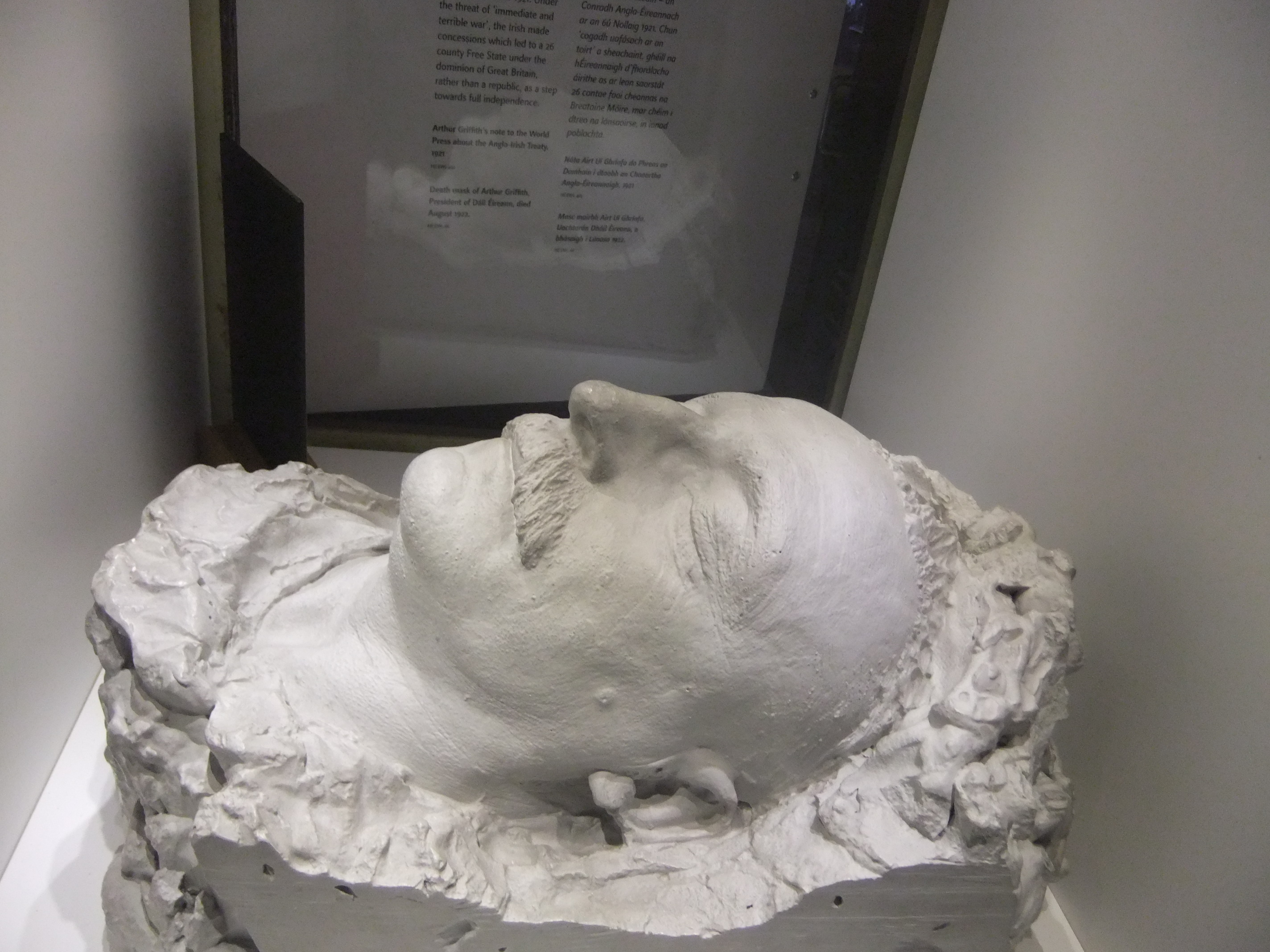
In the summer of 1922 alone he made death masks of Cathal Brugha, Arthur Griffith, Michael Collins, and Erskine Childers — four leaders of the independence movement dead within months of each other. No other sculptor was trusted so completely across the fault lines of the Civil War.

Elected a full member of the Royal Hibernian Academy in 1919, he exhibited there from 1906 until his death. His portrait commissions brought him into contact with the writers, politicians, and churchmen who shaped the new Irish state.

Death mask of Michael Collins by Albert G. Power, 1922
Death Mask of Michael Collins · 22 August 1922

Legacy in Stone & Bronze

Power worked primarily in Portland stone and cast bronze, often overseeing the casting himself — giving him a control over surface and patina unusual among Irish sculptors of the period. His ecclesiastical commissions for churches across Ireland are among the finest examples of devotional sculpture produced in early twentieth-century Ireland.

He died in 1945, leaving a body of work across church interiors, civic squares, and gallery collections throughout Ireland. The Judith Hill monograph Albert Power RHA 1881–1945 (Irish Academic Press, 2012) remains the definitive scholarly account of his career.

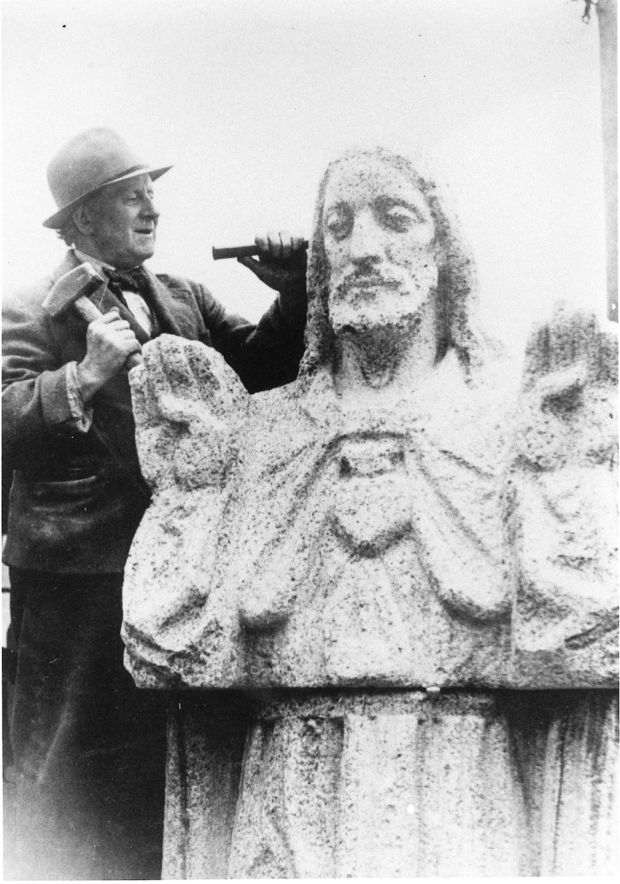
Albert G. Power working on Sacred Heart statue for Carndonagh, 1943-45
Power at work · Carndonagh, Co. Donegal · 1943–45

Selected Works

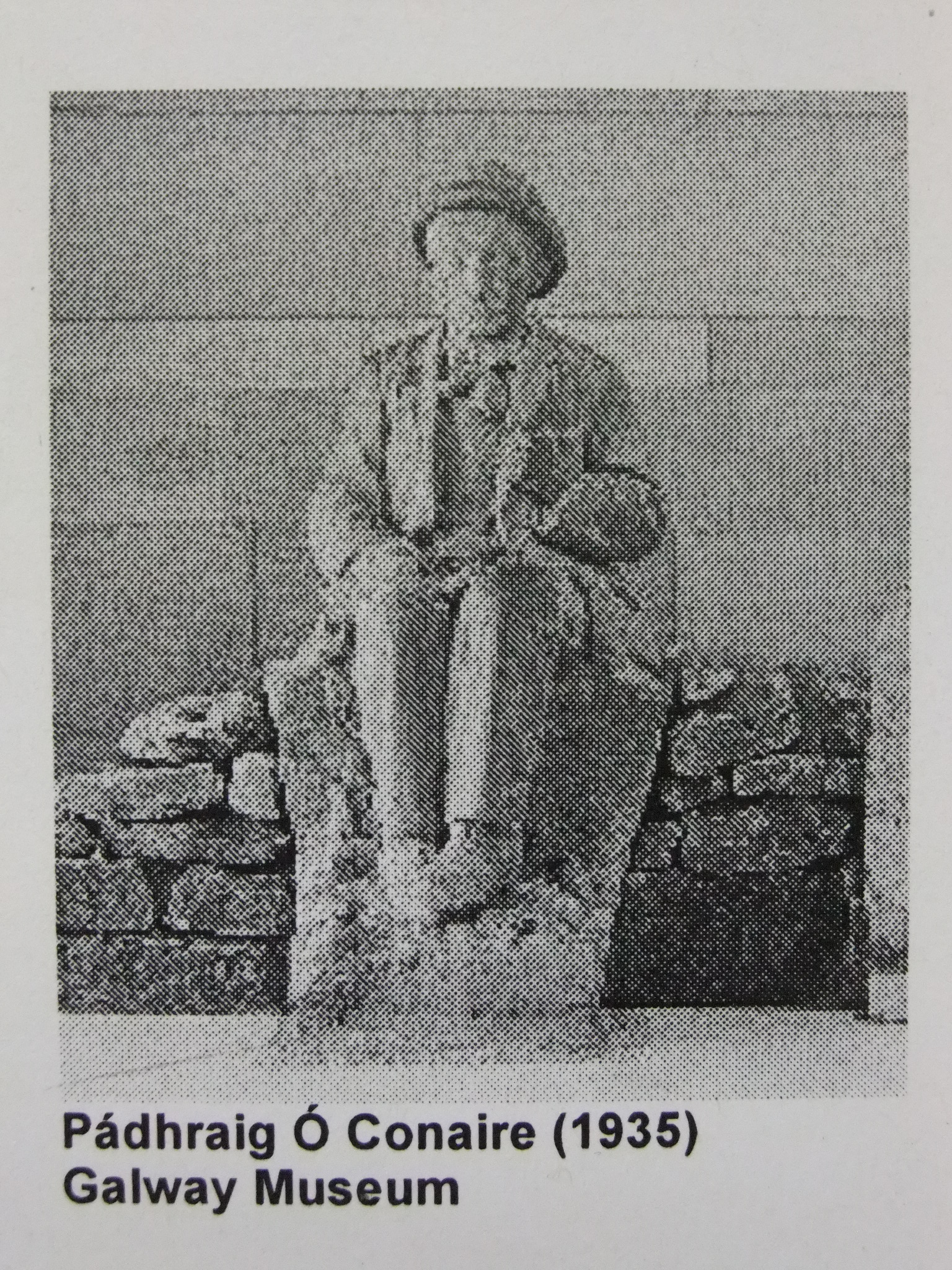
Pádraic Ó Conaire memorial bronze, Eyre Square, Galway, 1935
1935

Pádraic Ó Conaire

Bronze · Eyre Square, Galway

Power's most beloved work — a seated figure intimate in scale yet monumental in presence. Stolen in 1999, recovered, and restored to Eyre Square, its loss and return became a measure of how deeply it had embedded in Galway's identity.

View work →
Death mask of Michael Collins by Albert G. Power, 1922
1922

Death Mask — Michael Collins

Plaster · National Museum of Ireland, Collins Barracks

Made within hours of Collins's death at Béal na Bláth. The most accurate physical record of his face in existence — the direct basis for the 1936 bronze portrait bust in the National Gallery.

View work →
Death mask of Cathal Brugha, 1922
1922

Death Mask — Cathal Brugha

Plaster · Cathal Brugha Barracks, Dublin

The first of Power's extraordinary 1922 sequence — Brugha died on 7 July, shot on O'Connell Street two days after the outbreak of the Civil War.

View work →
Death mask of Arthur Griffith, August 1922
1922

Death Mask — Arthur Griffith

Plaster · National Museum of Ireland

Griffith died on 12 August 1922 — ten days before Collins. Power made masks of both men within a fortnight, capturing the two architects of the Free State at the moment of its birth.

View work →
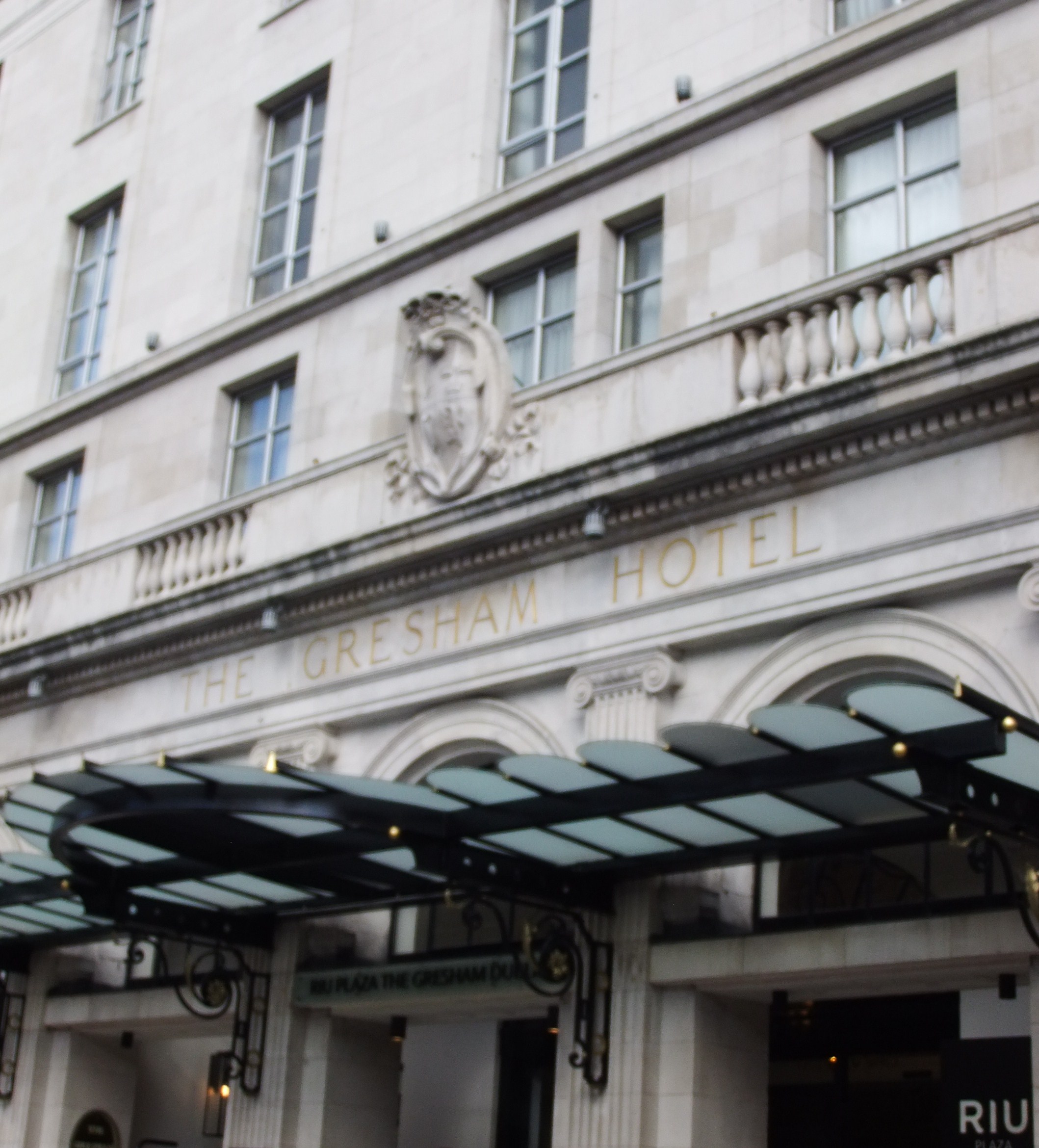
Gresham Hotel decorative facade by Albert G. Power, O'Connell Street, Dublin, 1926
1926

Gresham Hotel Facade

Stone · O'Connell Street, Dublin

Urns, Coat of Arms, Ionic capitals, six panels of festoons, and two sphinxes — Power's most publicly visible architectural commission, seen by everyone who walks Dublin's main street.

View work →
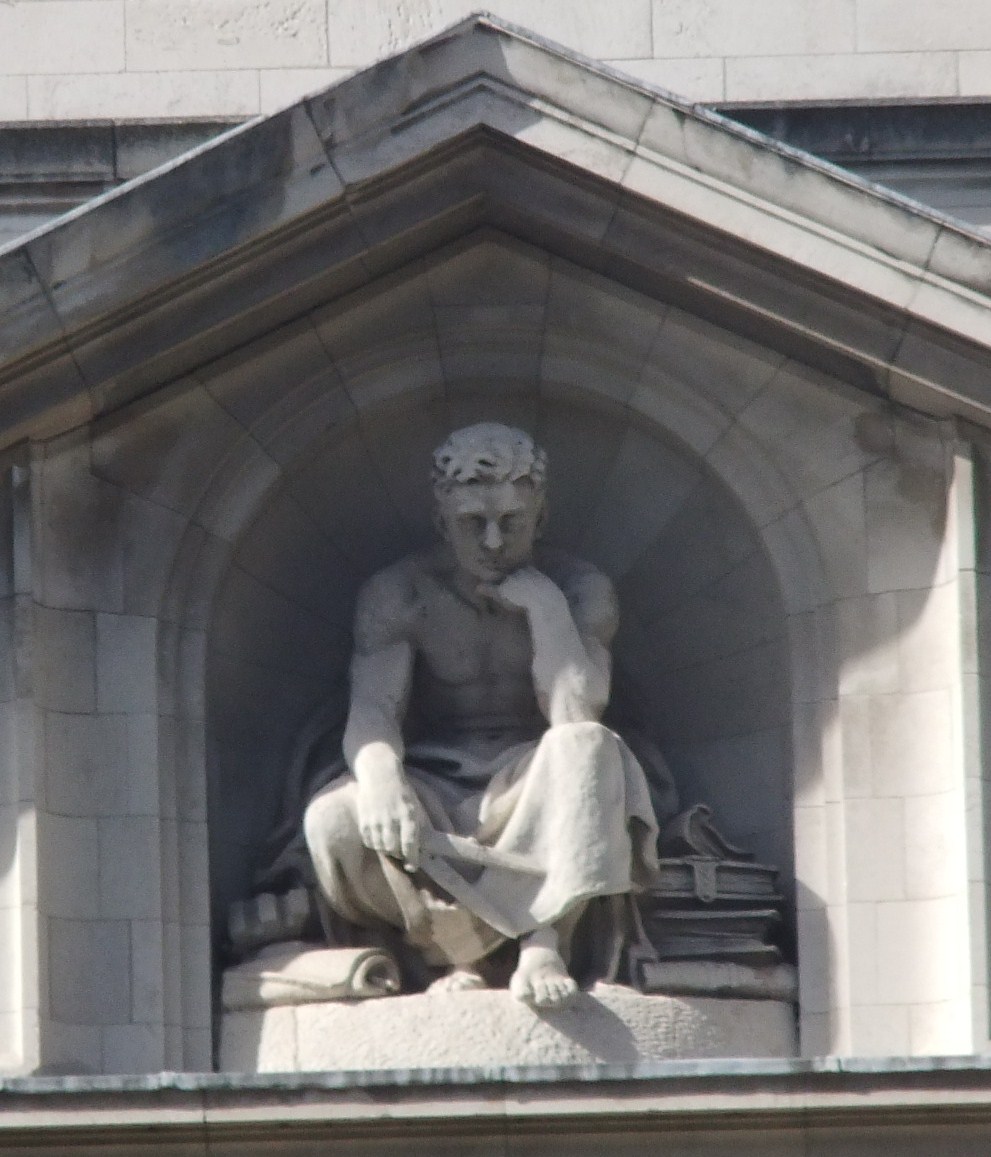
Figure of Science, Government Buildings, Dublin, 1911
1911

Figure of Science

Stone · Government Buildings, Dublin

One of Power's earliest major public commissions — the allegorical figure now presides over the seat of Irish government on Merrion Street.

View work →

A Life in Dates

  1. 1881

    Born in Dublin

    Albert George Power is born in the city that will define his artistic life, in the final decades of Victorian Ireland.

    Albert G. Power. Irish Capuchin Archives.
    Albert G. Power. Irish Capuchin Archives.
  2. 1898

    Book Prize, DMSA

    Wins a book prize at the Dublin Metropolitan School of Art for success in the Special Local Competition — the beginning of a distinguished student career.

  3. c. 1900

    Dublin Metropolitan School of Art

    Studies under John Hughes and Oliver Sheppard. Classmates include Kathleen Fox, Willie Pearse, Grace Gifford, and Countess Markievicz.

    Albert Power at work. Irish Capuchin Archives.
    Albert Power at work. Irish Capuchin Archives.
  4. 1909

    Mother and Child

    Early bronze Mother and Child — one of his first exhibited works to attract serious critical attention. Private collection.

  5. 1911

    Figure of Science, Government Buildings

    Major architectural commission — a full-length figure for the facade of Government Buildings, Merrion Street, Dublin.

  6. 1919

    Elected RHA

    Elected full member of the Royal Hibernian Academy, cementing his standing as one of Ireland's foremost sculptors.

    Albert G. Power RHA, 1881–1945.
    Albert G. Power RHA, 1881–1945.
  7. 1922

    The Death Mask Summer

    In the space of weeks Power makes death masks of Cathal Brugha (July), Arthur Griffith (August) and Michael Collins (August) — three leaders dead at the birth of the Free State.

    Death Mask of Michael Collins, 1922.
    Death Mask of Michael Collins, 1922.
  8. 1926

    Gresham Hotel Facade

    Urns, sphinxes, coat of arms and festoons for the rebuilt Gresham Hotel — seen daily by everyone who walks O'Connell Street.

    Gresham Hotel, O'Connell Street.
    Gresham Hotel, O'Connell Street.
  9. 1935

    Pádraic Ó Conaire Memorial

    The Galway commission is unveiled in Eyre Square in Durrow limestone — the first time a native stone was used for such a purpose. 10,000 people attend the Liam Lynch unveiling the same year.

    Pádraic Ó Conaire memorial, Eyre Square, Galway.
    Pádraic Ó Conaire memorial, Eyre Square, Galway.
  10. 1937

    Bishop Gillooly, Sligo

    Full-length limestone figure of Bishop Laurence Gillooly for the Community Hall in Sligo town, completed in April and unveiled in May.

  11. 1938

    Robert Emmet Plaque & Thomas Kettle Monument

    Bronze relief of Robert Emmet for Emmet Bridge, Harold's Cross — inscription carved by his son Oliver. The Thomas Kettle monument in St Stephen's Green finally erected after 21 years.

  12. 1939

    W.B. Yeats Portrait & Tralee Pikeman

    Bronze portrait of W.B. Yeats for the National Gallery. Limestone Pikeman for Denny Street, Tralee — replacing one toppled by the Black and Tans in 1921. St Patrick carved for Skerries church — with a hidden goat.

    Portrait of W.B. Yeats, 1939. National Gallery of Ireland.
    Portrait of W.B. Yeats, 1939. National Gallery of Ireland.
  13. 1945

    Death in Dublin

    Power dies in July 1945. His final work — the Sacred Heart for Carndonagh church, Co. Donegal — was photographed in progress in his Berkeley Road yard. The Irish Press calls him 'one of our greatest sculptors.'

    Albert Power at work. Irish Capuchin Archives.
    Albert Power at work. Irish Capuchin Archives.

Writing & Research

Research Essay · 2025

A Face Without Myth: Power's Collins

How does a sculptor make a portrait of a man who is already becoming legend? Power's answer was restraint — and it produced the most honest image we have of Michael Collins.

Read essay →

About This Archive

My name is Mark Freer. Albert George Power RHA was my great-grandfather. I built this archive because his work deserves to be seen — not just by art historians and curators, but by anyone who walks past the Gresham Hotel, visits Eyre Square in Galway, or stands at the grave of Michael Collins in Glasnevin.

Power worked at the hinge point of modern Irish history. He made death masks of Collins, Griffith, Brugha, and Childers — four of the principal figures of the independence struggle — within months of each other in 1922. He carved the facades of Dublin's O'Connell Street. He made the Ó Conaire memorial that Galway wept for when it was stolen. And yet he remains largely unknown outside specialist circles.

This site is a family project. The photographs here come from our family archive — many taken by family members who tracked down his works across Ireland over decades. The research is ongoing. If you have photographs, letters, documents, or knowledge of works not yet recorded here, I would be genuinely grateful to hear from you.

I am a Senior Site Reliability Engineer at Red Hat, based in Waterford, Ireland, and a postgraduate student in Artificial Intelligence at SETU.
Death mask of Michael Collins by Albert G. Power, 1922
Death Mask of Michael Collins · 1922 Made within hours of Collins's death at Béal na Bláth
Albert G. Power working on Sacred Heart statue, Carndonagh, 1943-45
Albert G. Power at work · Carndonagh · 1943–45 His final commission, completed in the last years of his life