1935
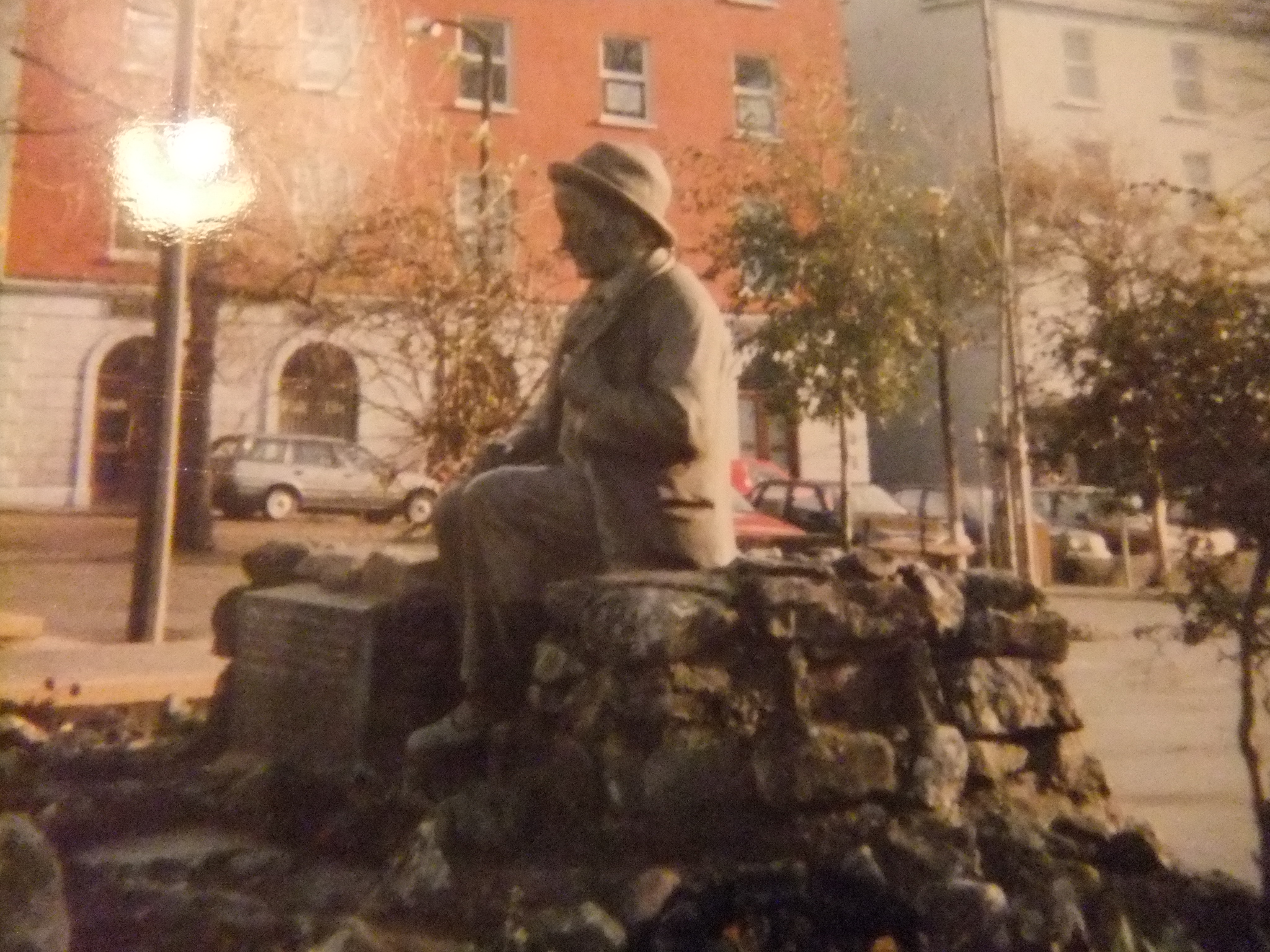
Pádraic Ó Conaire
Bronze · Eyre Square, Galway
Power’s most celebrated public commission and the work by which he is most widely known. The seated figure of the Connacht writer Pádraic Ó Conaire was unvei...
View work →Catalogue
Public sculpture, portrait busts, and ecclesiastical commissions
Bronze · Eyre Square, Galway
Power’s most celebrated public commission and the work by which he is most widely known. The seated figure of the Connacht writer Pádraic Ó Conaire was unvei...
View work →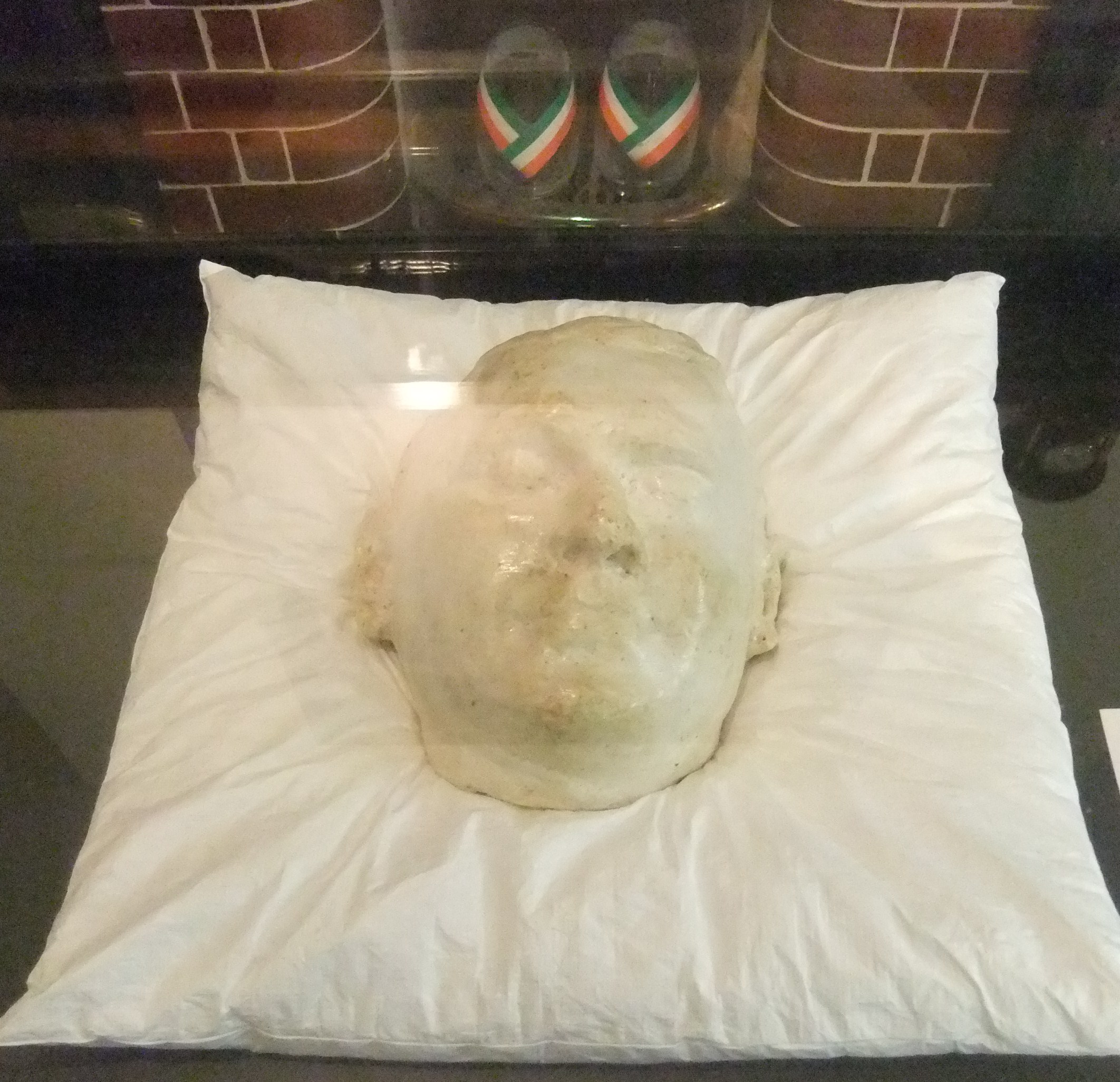
Plaster · National Museum of Ireland — Collins Barracks, Dublin
On 22 August 1922, Michael Collins was killed at Béal na Bláth, County Cork. He was thirty-one years old. Within hours of his body being brought to Dublin, A...
View work →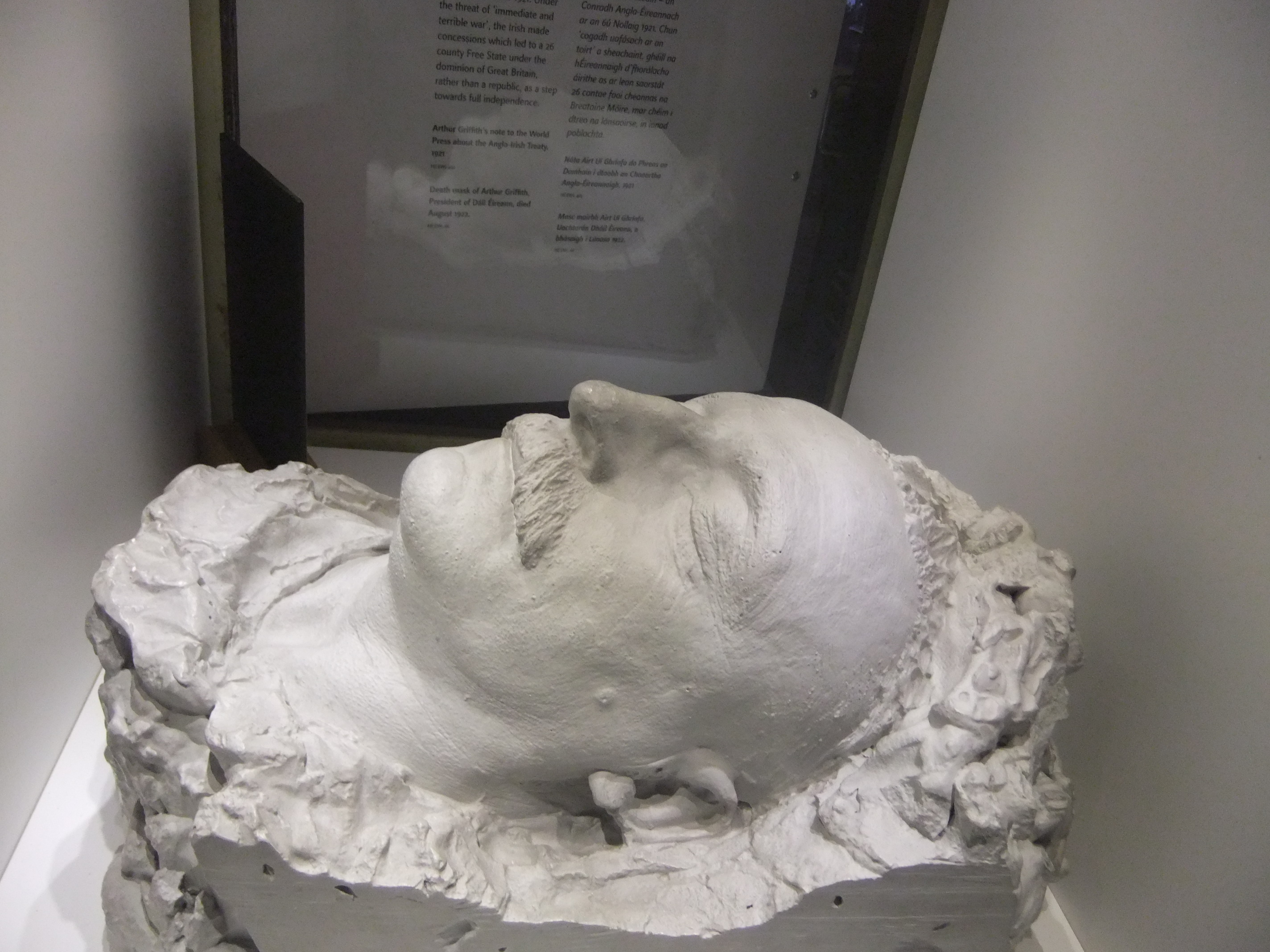
Plaster · National Museum of Ireland, Dublin
Arthur Griffith, founder of Sinn Féin and first President of Dáil Éireann, died on 12 August 1922 — just ten days before Michael Collins — of a cerebral haem...
View work →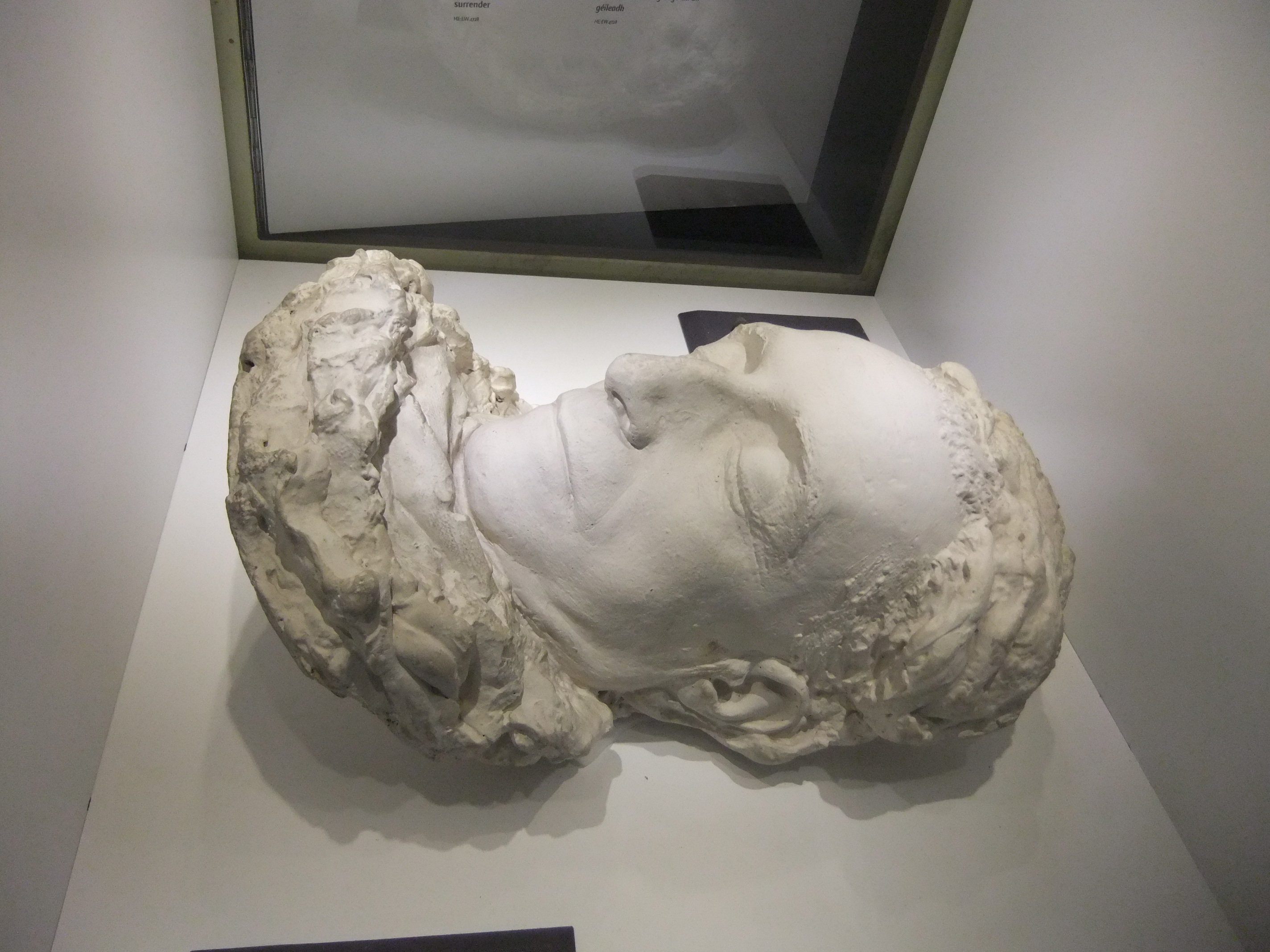
Plaster · Cathal Brugha Barracks, Dublin
Cathal Brugha — born Charles William St John Burgess — was one of the most uncompromising figures of the Irish independence movement. Chief of Staff of the I...
View work →Plaster (claimed) · Private collection / family archive
Robert Erskine Childers — author, sailor, and passionate Irish republican — was executed by firing squad on 24 November 1922, at Beggars Bush Barracks, Dubli...
View work →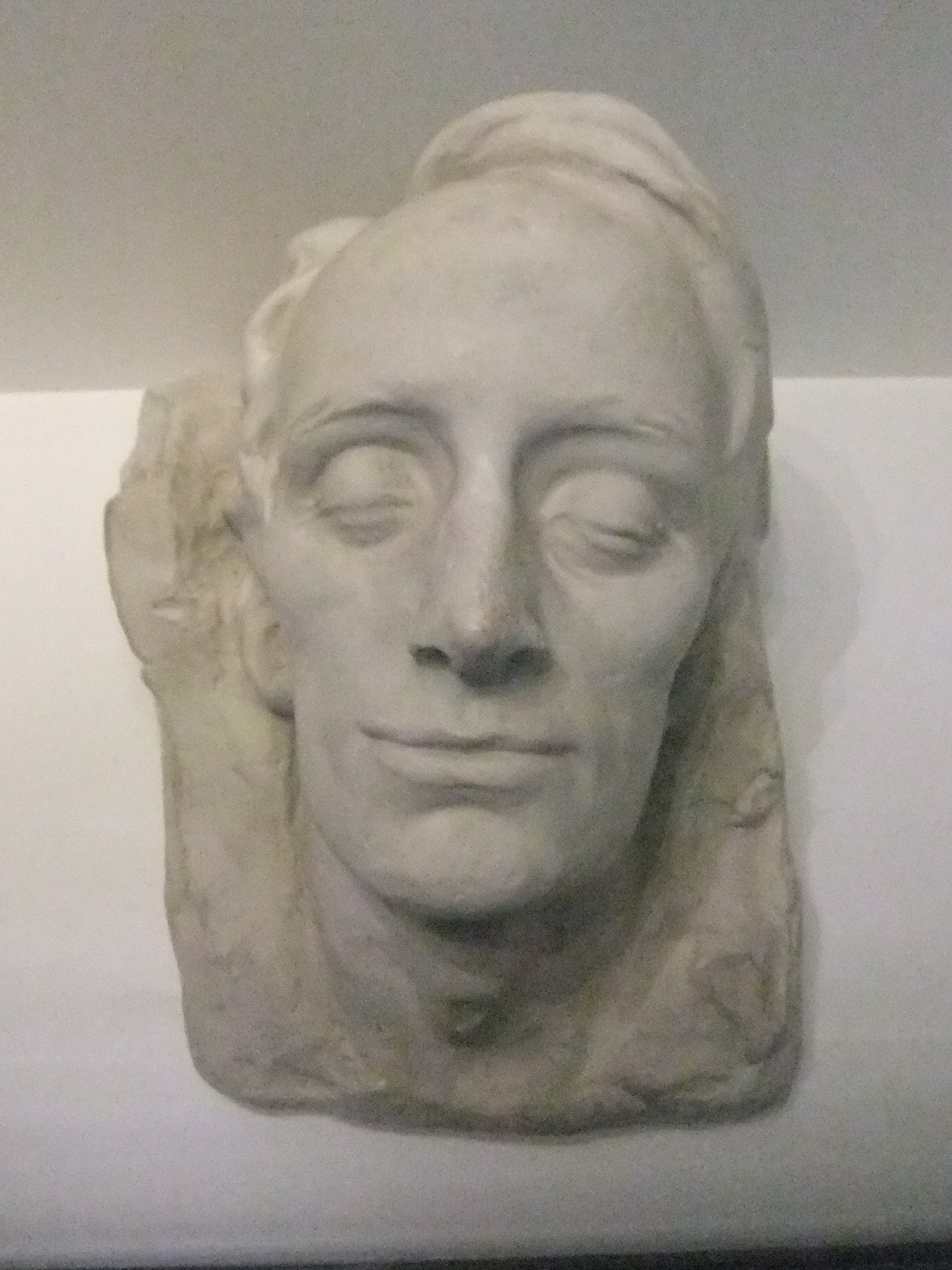
Plaster · National Museum of Ireland, Dublin
Terence MacSwiney, Lord Mayor of Cork and playwright, died on 25 October 1920 after seventy-four days on hunger strike in Brixton Prison, London. His death c...
View work →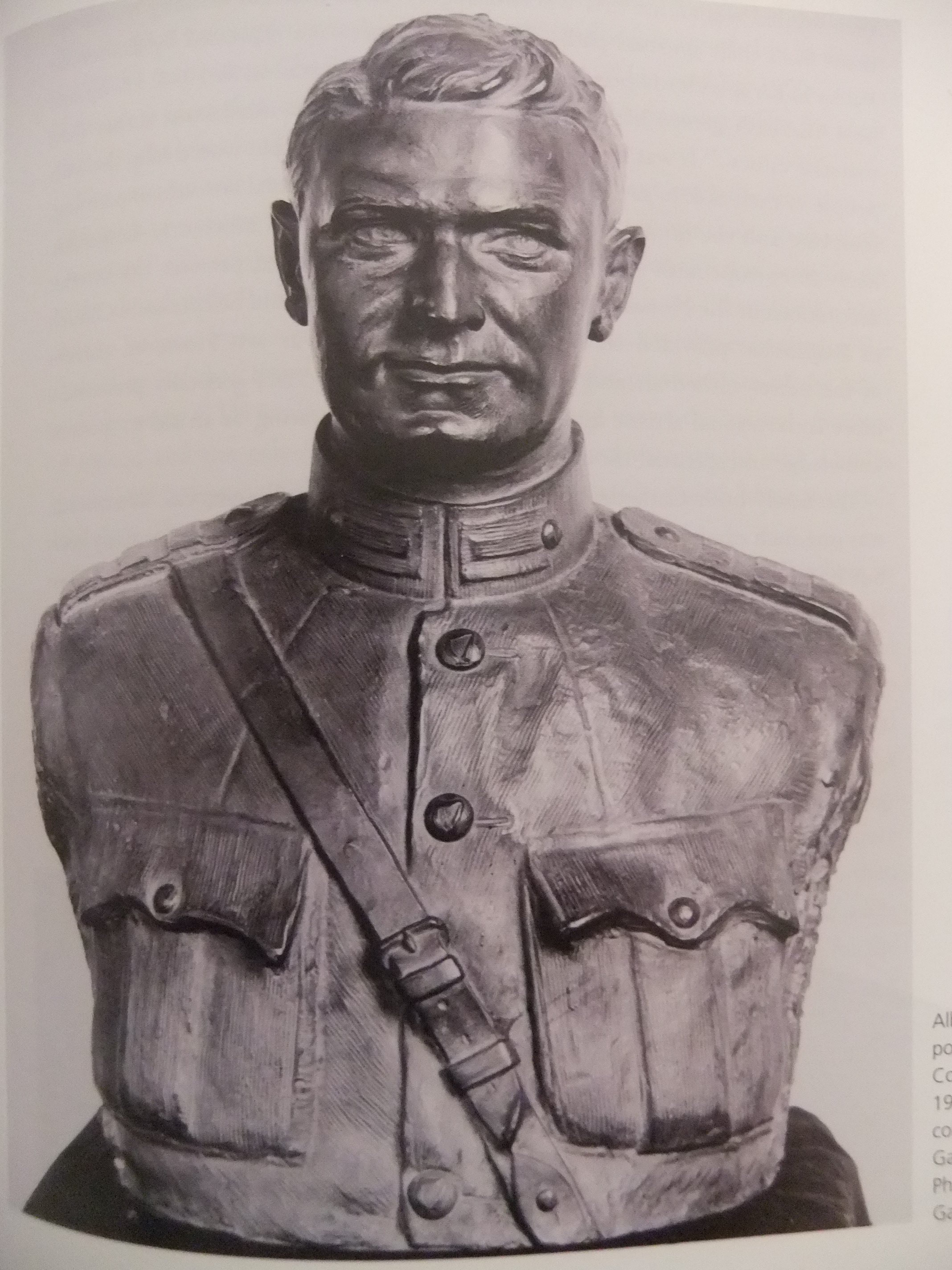
Bronze · National Gallery of Ireland, Dublin
Made fourteen years after Collins’s death, and fourteen years after Power had pressed plaster to his face to make the death mask, this bronze portrait bust r...
View work →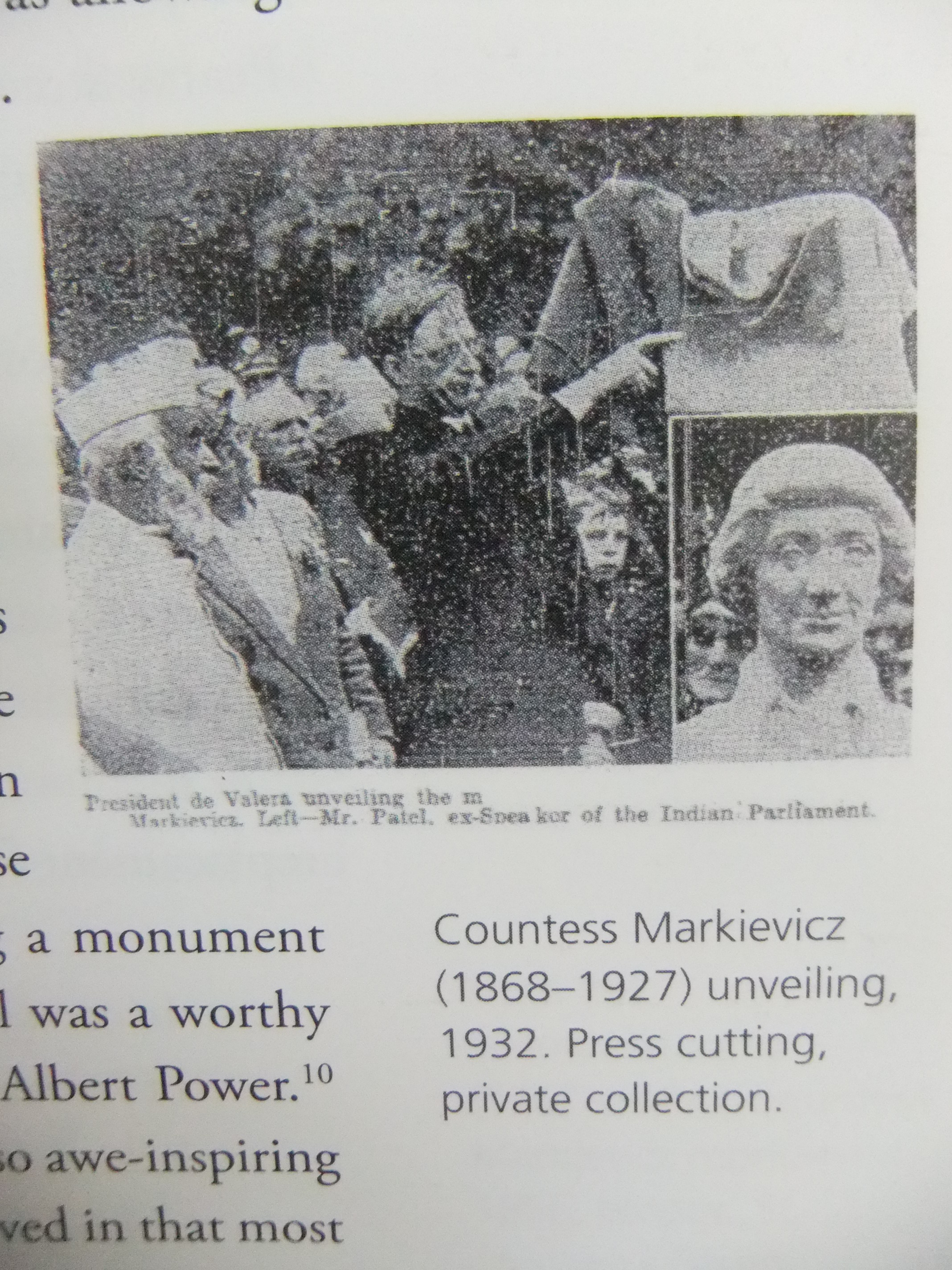
Bronze · National Museum of Ireland, Dublin
Constance Markievicz — revolutionary, politician, and the first woman elected to the Westminster Parliament — died in 1927. Power made this portrait bust fiv...
View work →Bronze · National Gallery of Ireland, Dublin
Seán Mac Diarmada (1883–1916) was one of the seven signatories of the 1916 Proclamation and a key organiser of the Irish Volunteers. He was executed by firin...
View work →Marble · National Gallery of Ireland, Dublin
Icarus is one of Power’s rare purely mythological works — a departure from his predominant focus on portraiture and religious sculpture. Carved in marble in ...
View work →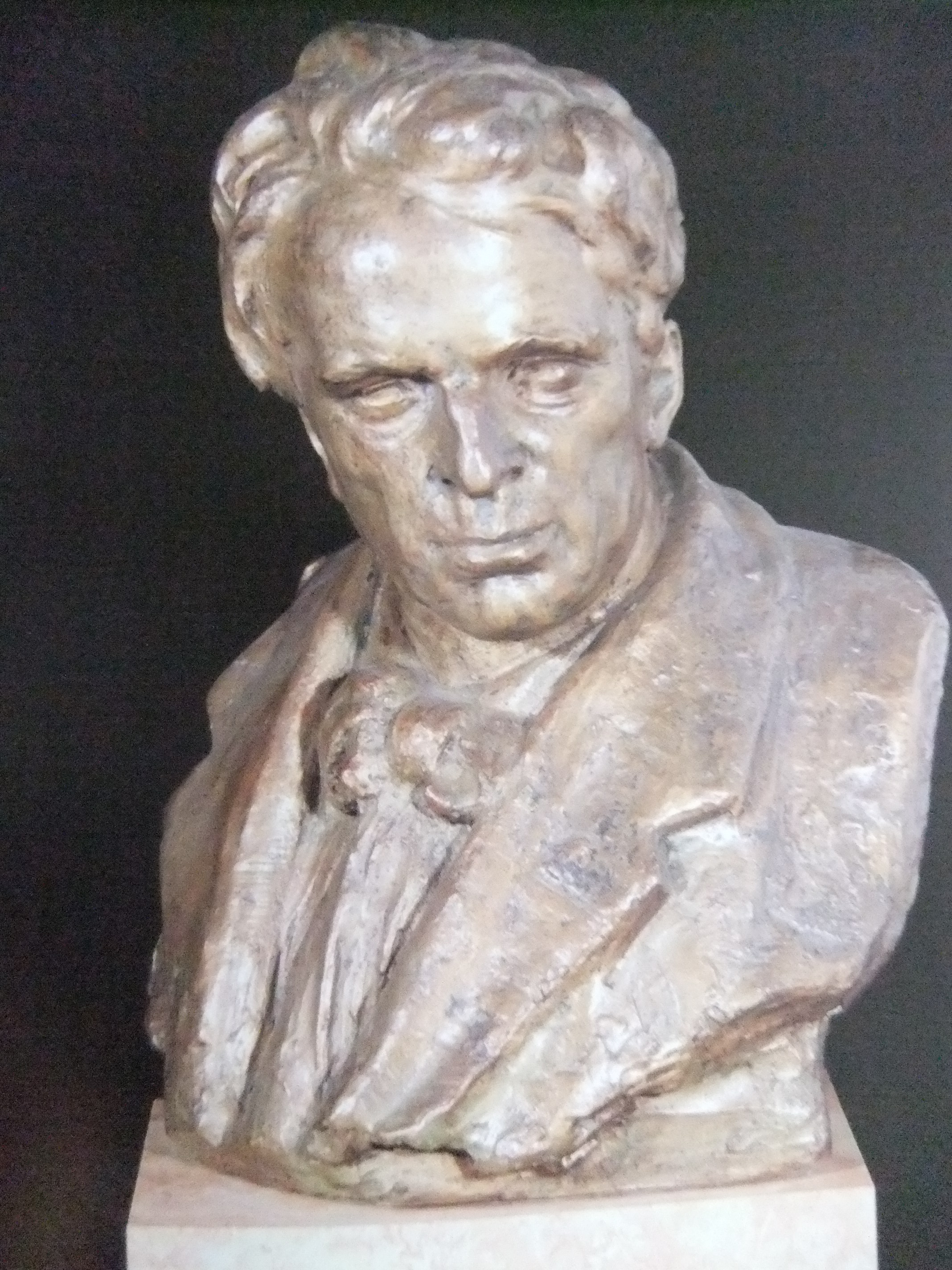
Bronze · Various — multiple casts
William Butler Yeats died in January 1939 in Roquebrune-Cap-Martin, France. Power made this portrait bust in the year of his death, producing one of the defi...
View work →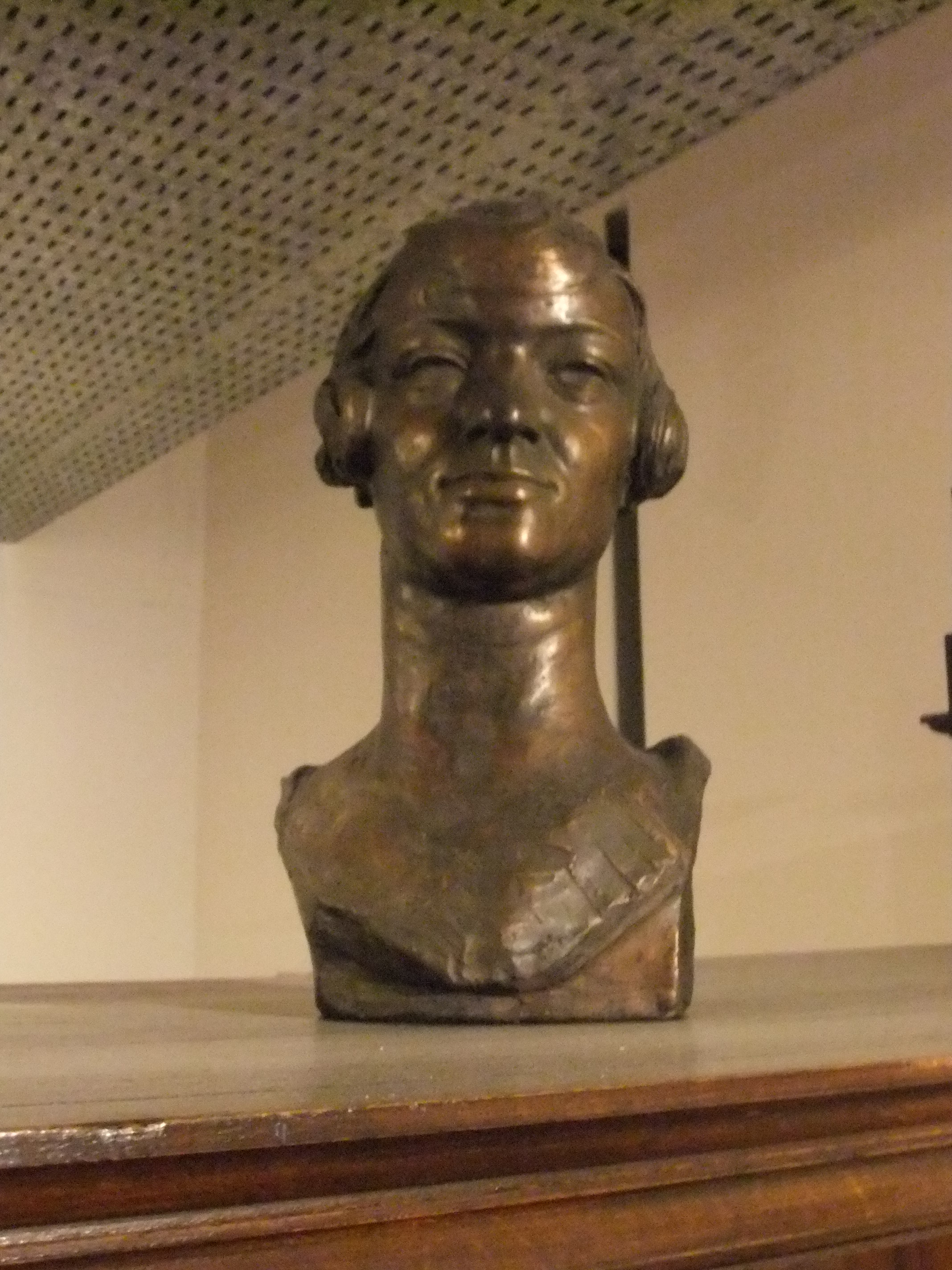
Bronze · National Museum of Ireland, Dublin
Grace Gifford married Joseph Mary Plunkett in Kilmainham Gaol on the night before his execution on 4 May 1916 — one of the most extraordinary and heartbreaki...
View work →Marble · National Gallery of Ireland, Dublin
Carved in 1942, Leenane Connemara Trout is one of Power’s most distinctive works — a naturalistic animal study in marble that sits apart from the commemorati...
View work →Plaster (bronze cast also made) · Private collection
In 1944, Power was commissioned by John L. Burke — solicitor, art collector, and close friend of Éamon de Valera — to make a portrait of the Taoiseach and Pr...
View work →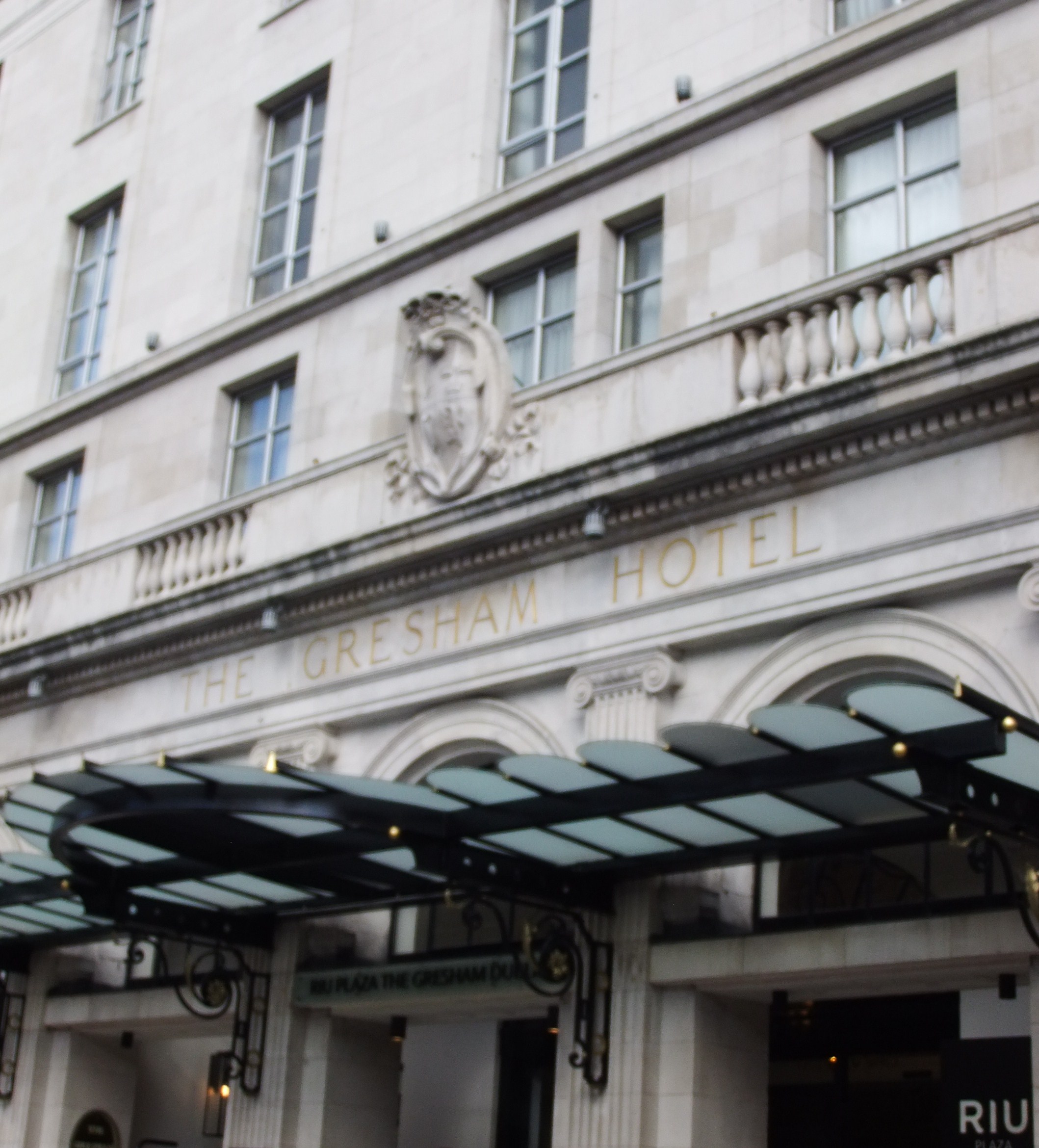
Stone carving · Gresham Hotel, O'Connell Street, Dublin
The Gresham Hotel commission of 1926 represents one of the most ambitious and publicly visible architectural sculpture projects of Power’s career. Tasked wit...
View work →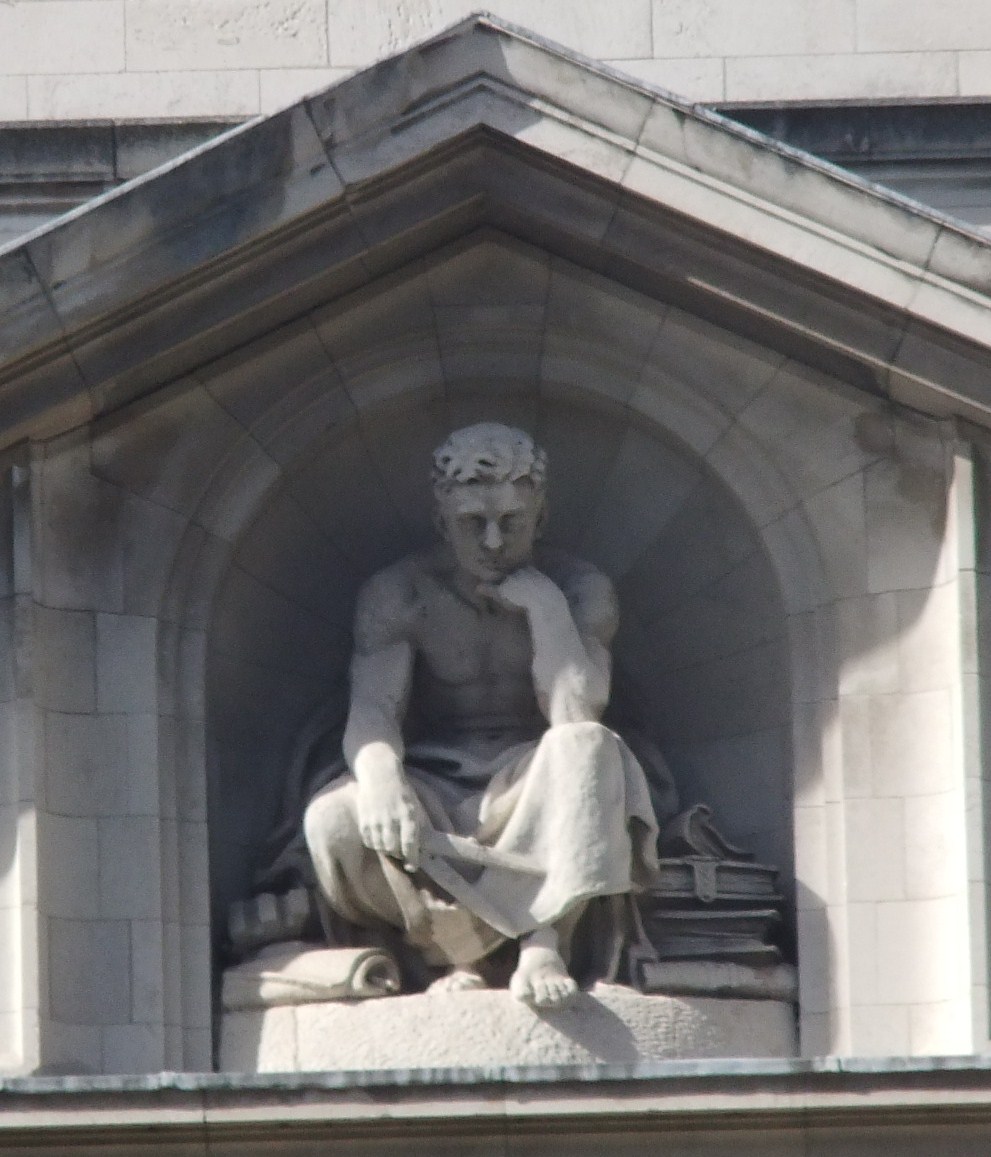
Stone · Government Buildings, Merrion Street, Dublin
Among the earliest of Power’s major public commissions, the Figure of Science was carved for the College of Science on Merrion Street — the building that wou...
View work →Limestone · St Joseph's College, Garbally, Co. Galway
Commissioned for St Joseph’s College, Garbally, Co. Galway, this 1941 limestone grouping of St Joseph and the Christ Child is a characteristic example of Pow...
View work →Marble · Convent of Divine Providence, Foxford, Co. Mayo
An early devotional work in marble, this grouping of St Joseph and the Christ Child was made for the Convent of Divine Providence in Foxford, Co. Mayo — like...
View work →Granite · Christ the King Church, Carndonagh, Co. Donegal
Among Power’s last major commissions, four monumental granite figures — St Patrick, St Brigid, St Colmcille, and the Sacred Heart — were carved between 1943 ...
View work →Marble · Location unconfirmed
Carved in 1942, this was Power’s second bust of the Venerable Oliver Plunkett — the seventeenth-century Archbishop of Armagh executed at Tyburn in 1681. His ...
View work →Marble · Market Square, Gort, Co. Galway
A life-size marble figure of Christ the King, erected in Market Square, Gort, Co. Galway, in the early 1930s. The statue was commissioned for a prominent pos...
View work →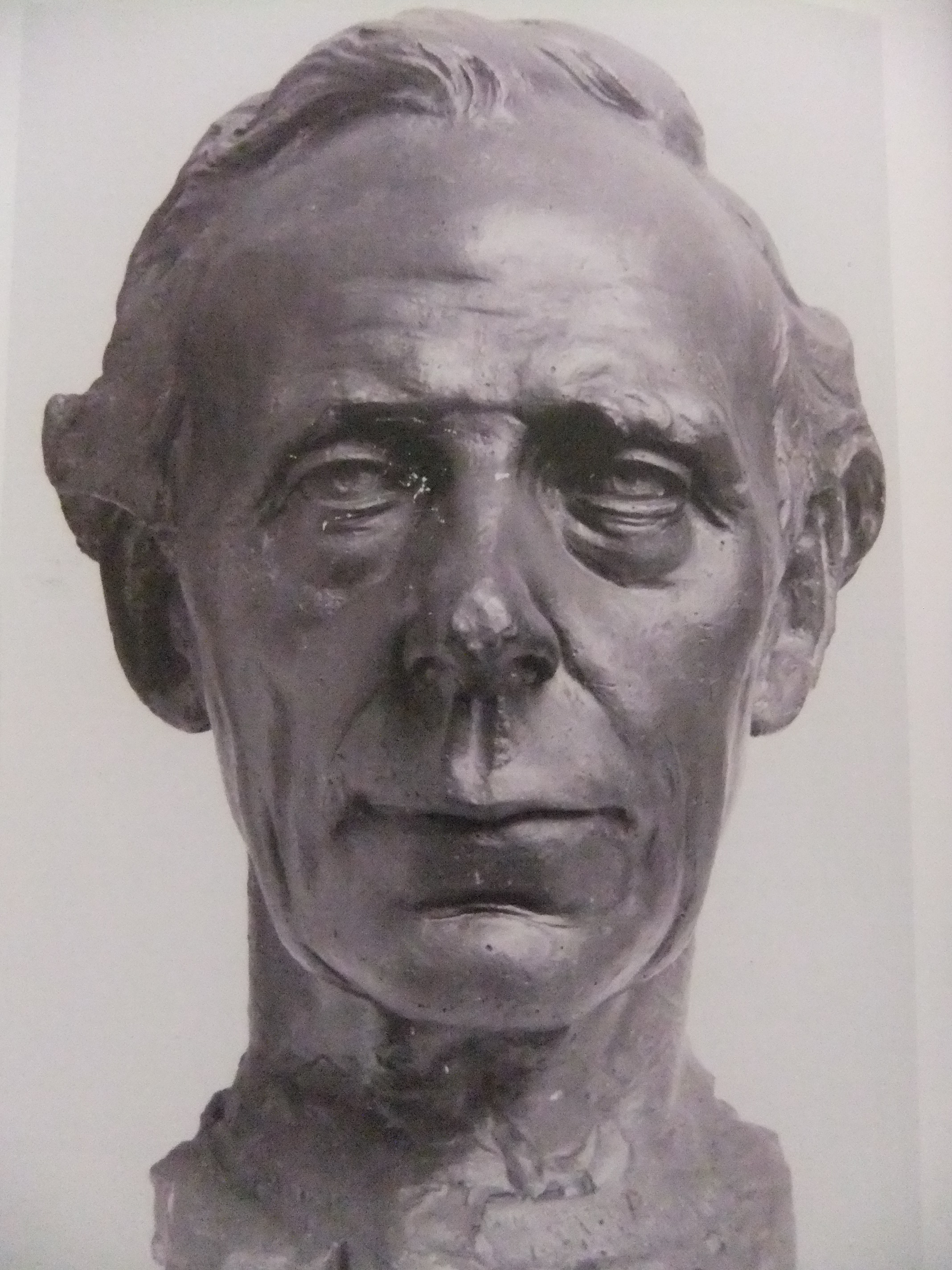
Bronze · Melbourne, Australia
Albert Power’s bust of Archbishop Daniel Mannix (1864–1963), the Irish-born Archbishop of Melbourne and one of the most controversial Catholic churchmen of h...
View work →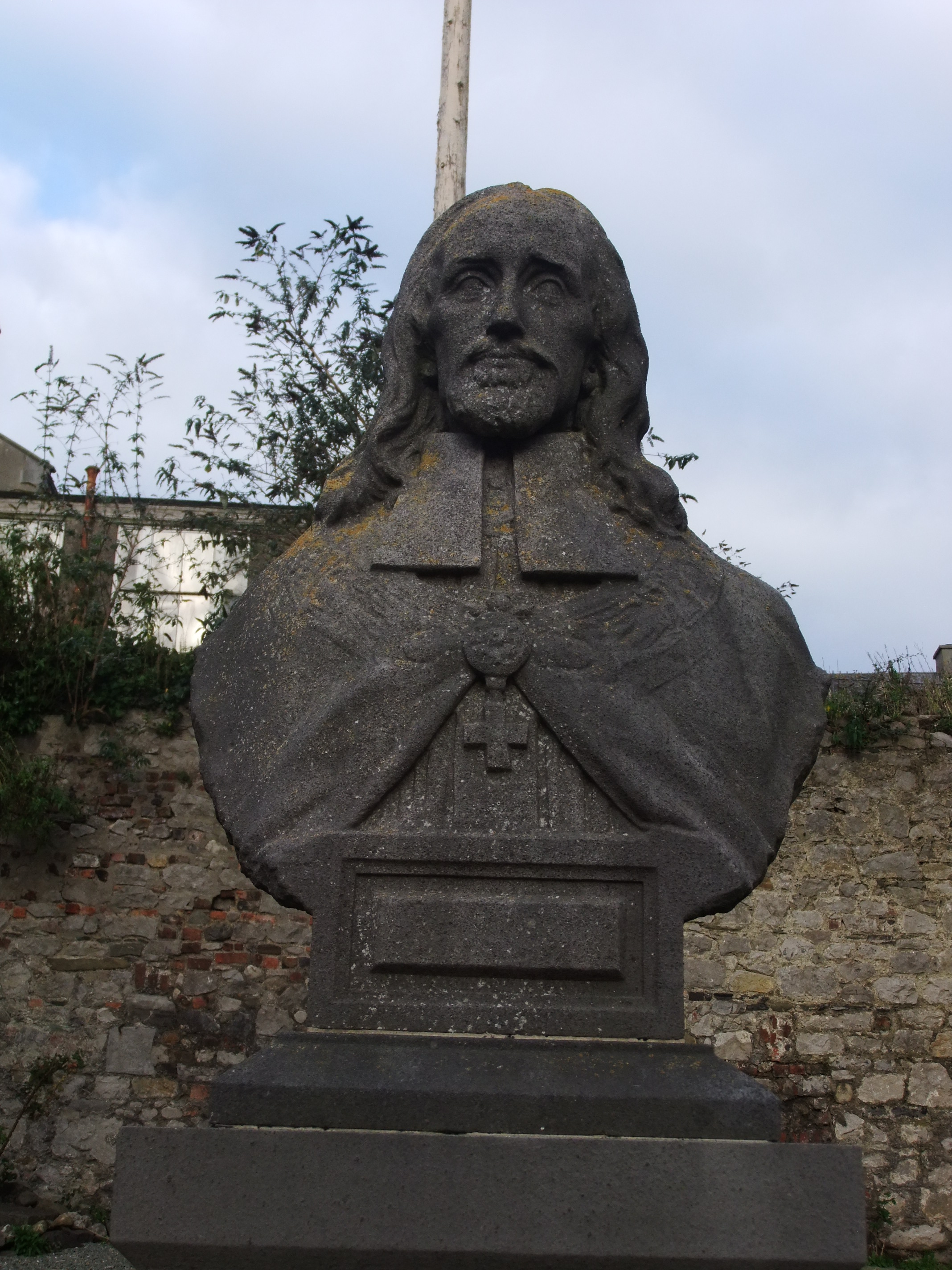
Limestone · St Peter's Church, Drogheda, Co. Louth
This limestone bust of the Venerable Oliver Plunkett (1625–1681), Archbishop of Armagh and the last Catholic martyr to die for the faith in England, was carv...
View work →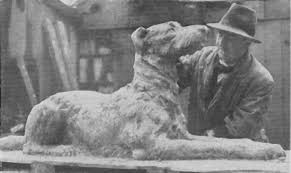
Bronze · Knockmealdown Mountains, Newcastle, Clonmel, Co. Tipperary
In 1935, Albert Power collaborated with the sculptor Denis Doyle on four bronze wolfhounds for the monument to Liam Lynch (1893–1923), Chief of Staff of the ...
View work →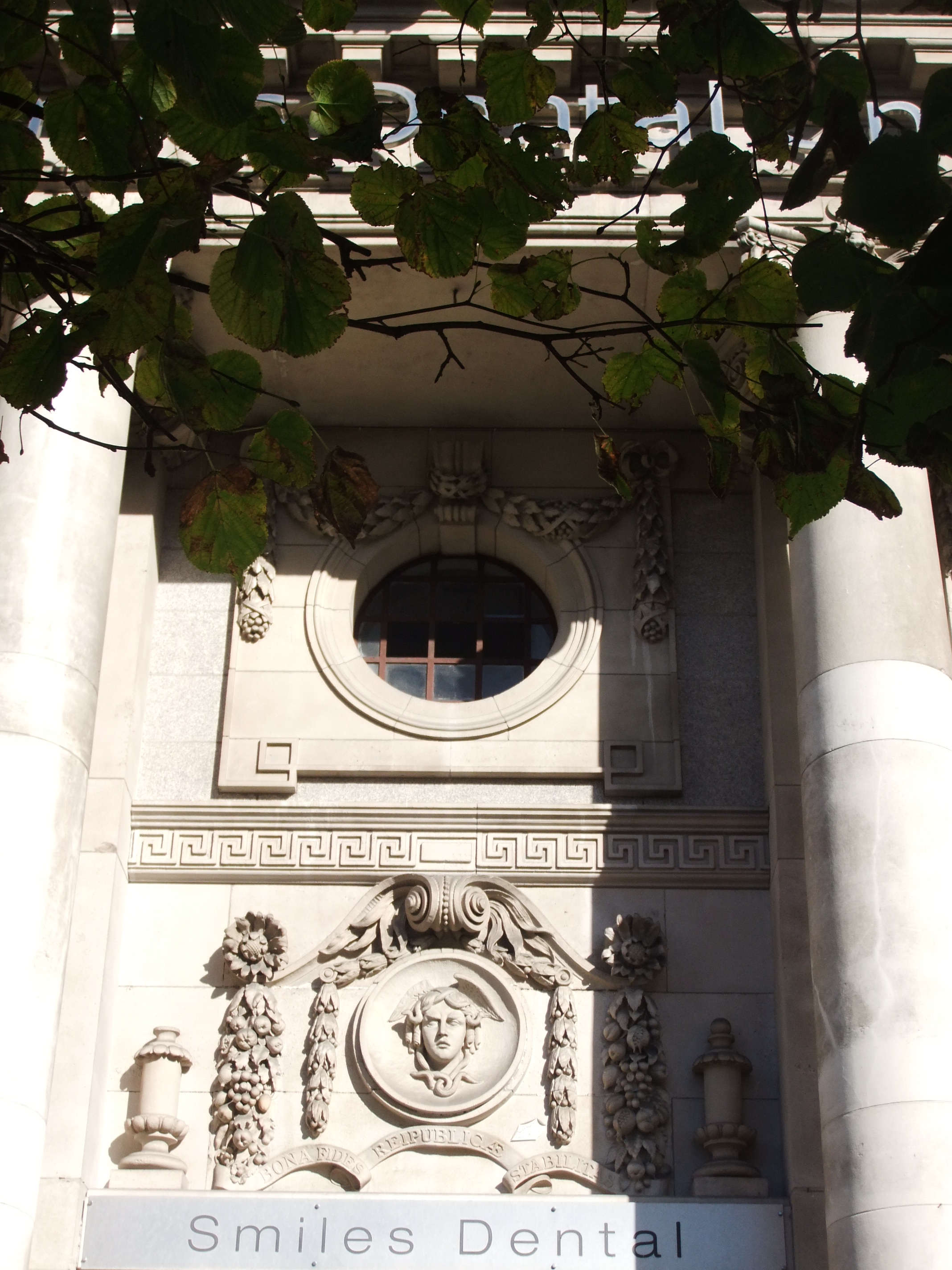
Stone · O'Connell Street, Dublin
In 1919, Albert Power produced decorative stone carving for the Royal Bank of Ireland on O’Connell Street, Dublin — part of the wave of substantial commercia...
View work →
Stone · O'Connell Street, Dublin
In 1917, Albert Power carved decorative stonework for the Munster & Leinster Bank on O’Connell Street, Dublin — one of his earliest major commercial arch...
View work →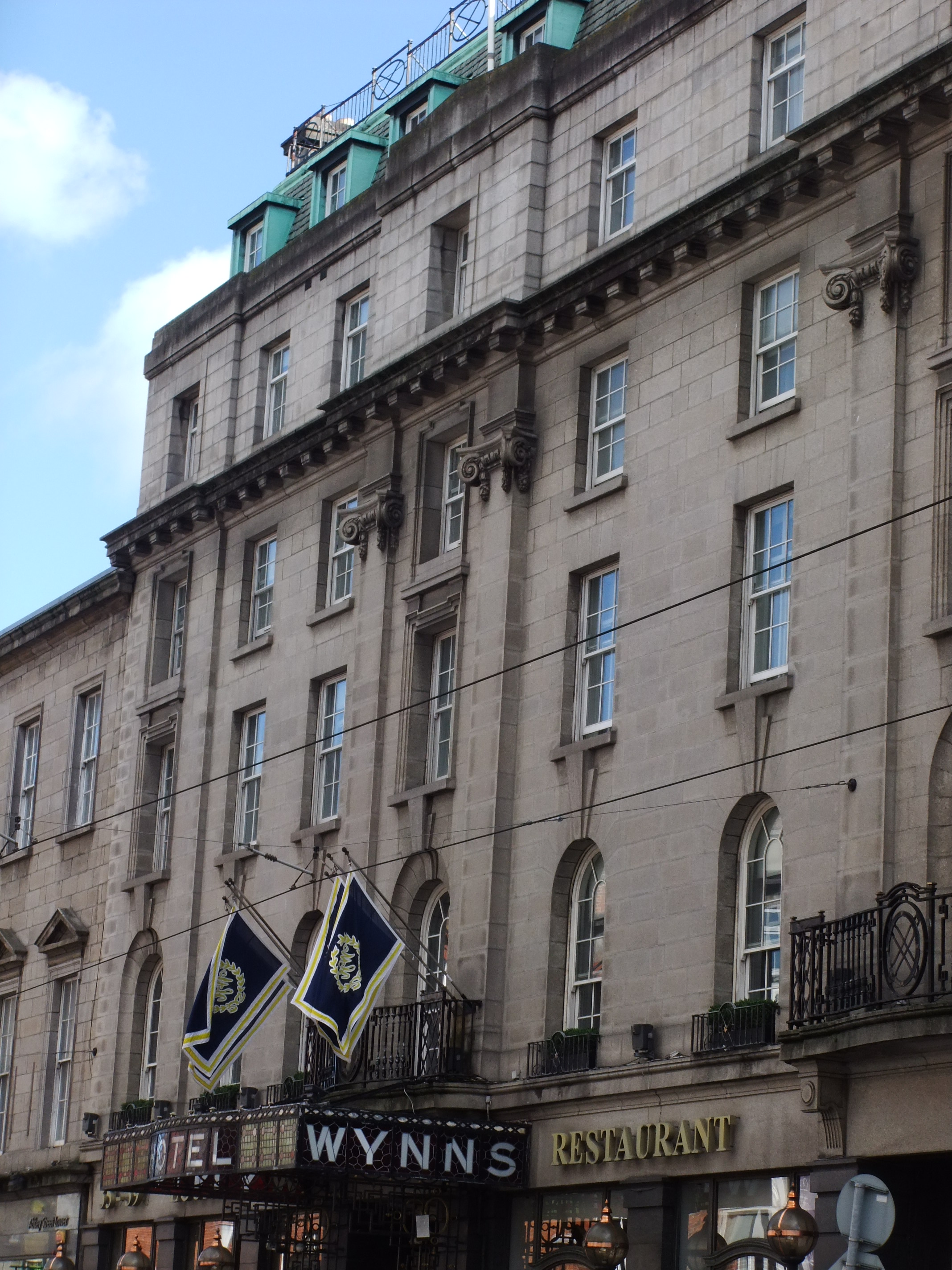
Stone · Lower Abbey Street, Dublin
In 1925, Albert Power produced decorative carving for Wynn’s Hotel, Dublin — work on the capitals and pilasters of the building’s façade. Wynn’s Hotel, on Lo...
View work →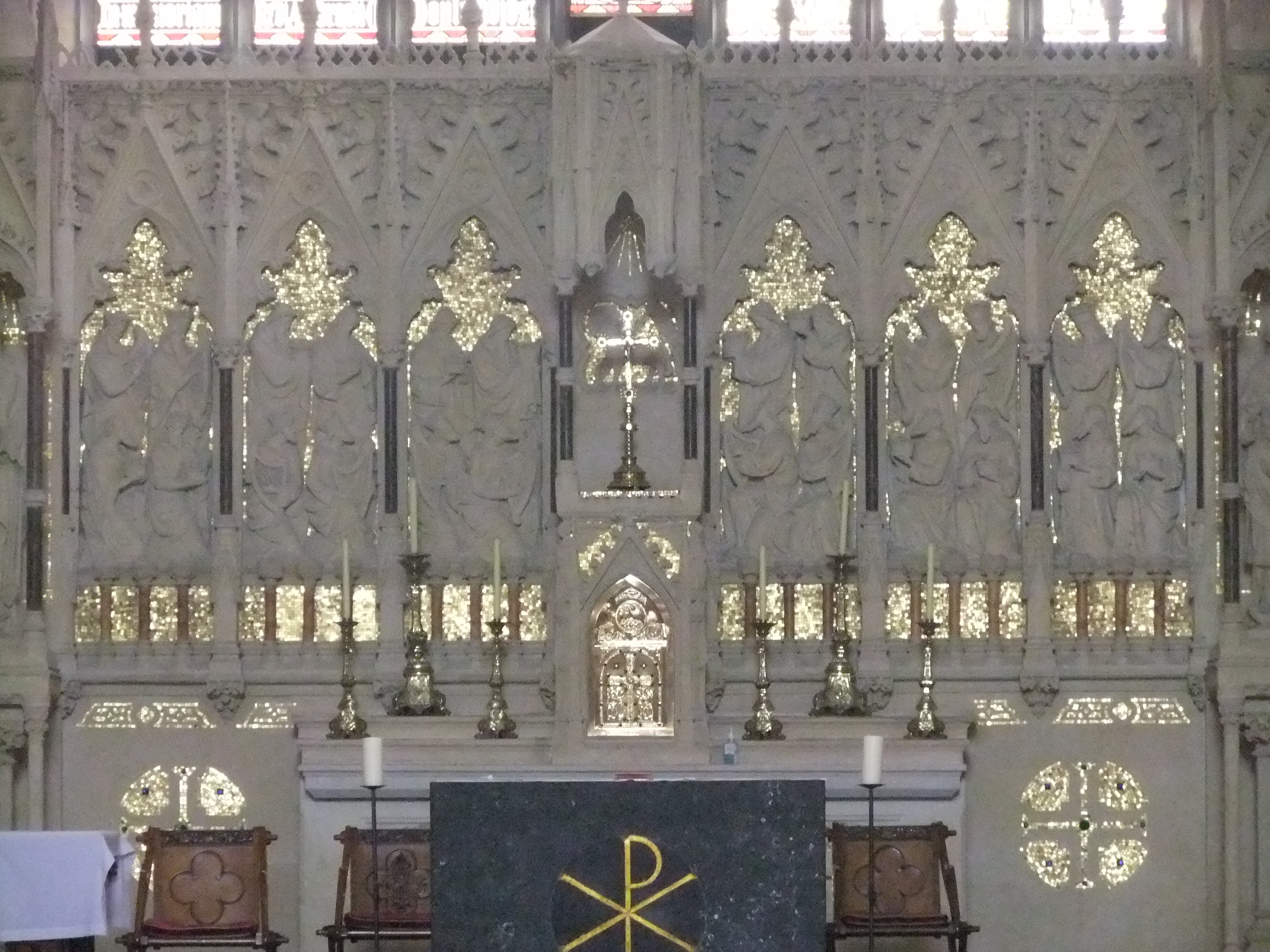
Stone · St Catherine's Church, Meath Street, Dublin
In 1920, Albert Power worked in collaboration with the artist Jack Morrow on an altar and reredos for St Catherine’s Church, Meath Street, Dublin — one of re...
View work →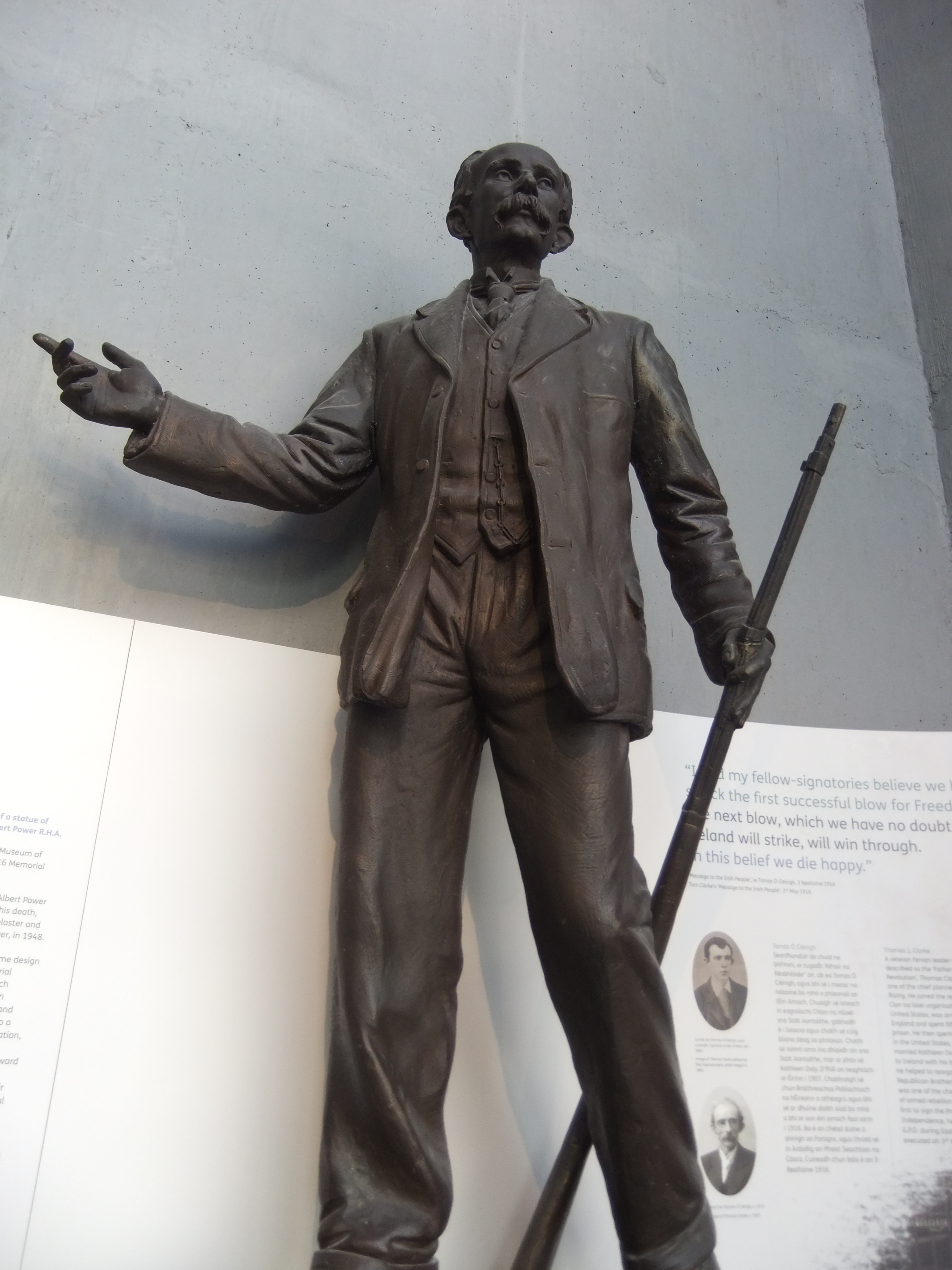
Bronze · Sarsfield Memorial, Limerick
This bronze figure of Tom Clarke (1858–1916), the senior signatory of the 1916 Proclamation and the first to sign it, forms part of the Sarsfield Memorial in...
View work →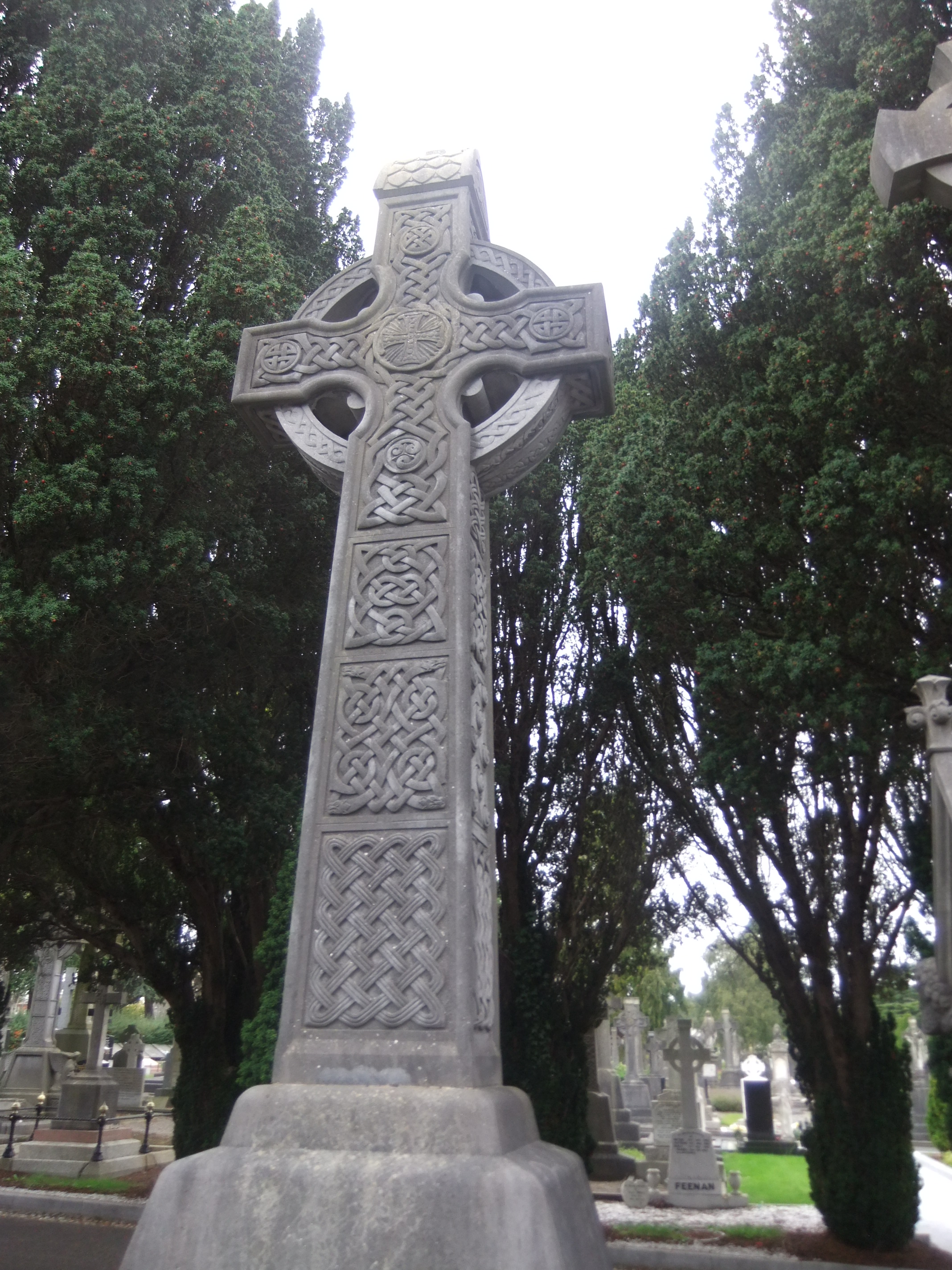
Stone · Glasnevin Cemetery, Dublin
In 1925, Albert Power produced two funerary monuments at Glasnevin Cemetery: the Downes Monument and the Lardner Monument, sited close to one another within ...
View work →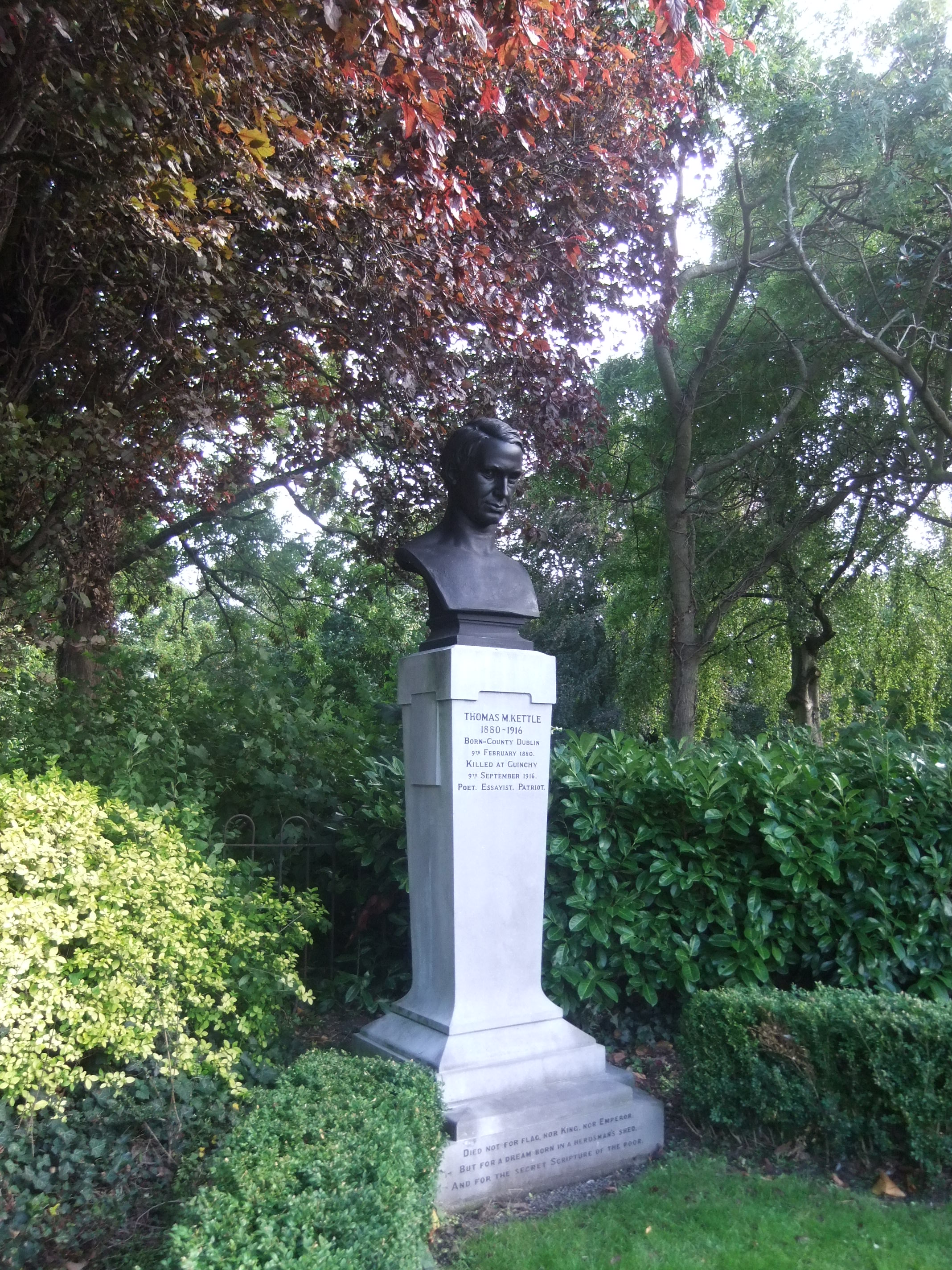
Bronze and stone · St Stephen's Green, Dublin
Albert Power produced two separate works for St Stephen’s Green, Dublin, sited close to one another within the park: the Thomas Kettle Memorial (1921) and th...
View work →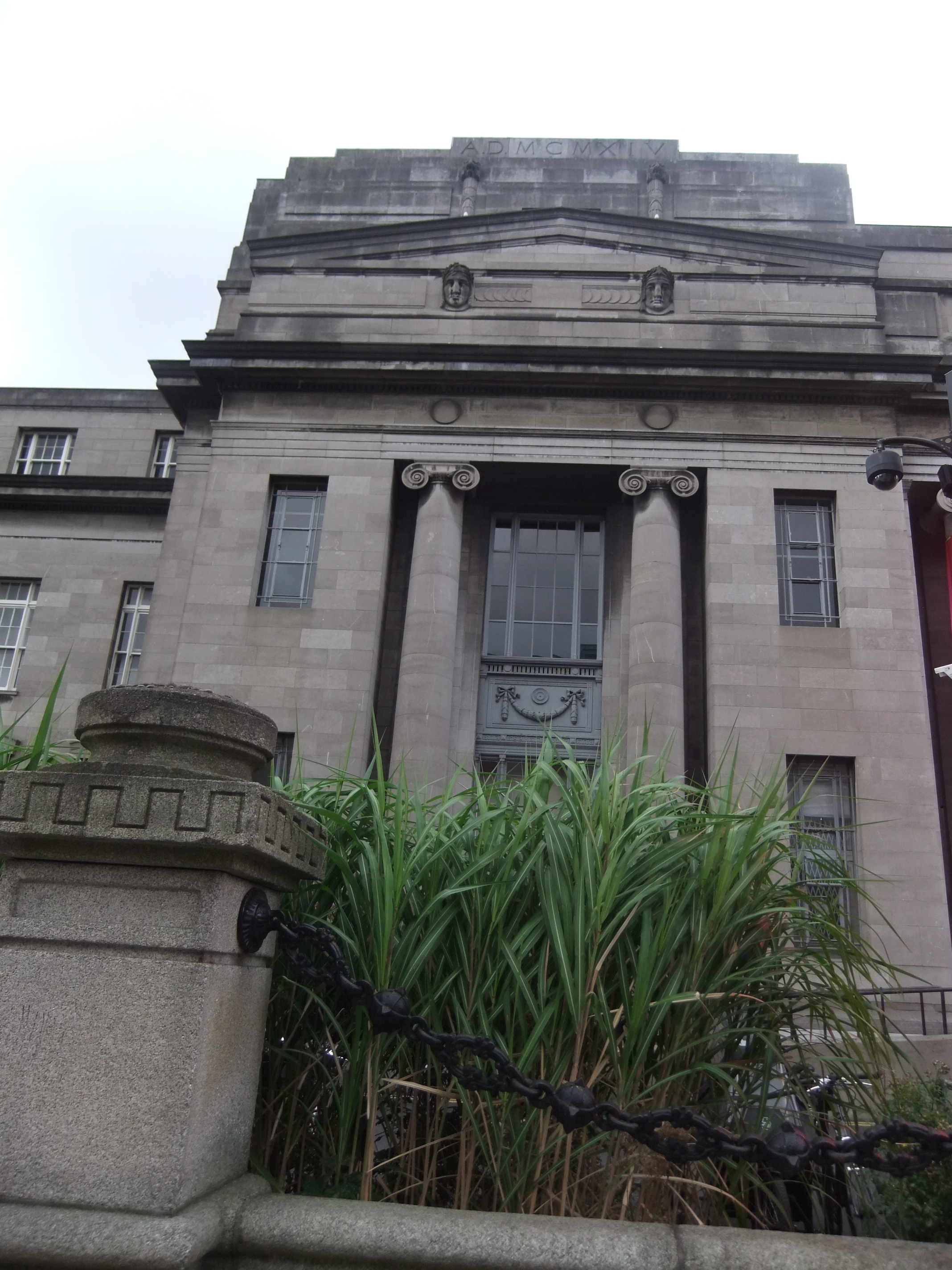
Stone · Earlsfort Terrace, Dublin
In 1914, Albert Power carved a series of fourteen heads of notable figures on the upper facade of the building now known as the National Concert Hall, Earlsf...
View work →Stone · Bohermore Cemetery, Galway
A decade after Albert Power’s death, his son James Power (1918–2009) created the headstone for the grave of Pádraic Ó Conaire at Bohermore Cemetery, Galway —...
View work →
Stone · O'Connell Street, Dublin
In 1921, Albert Power produced decorative stone carving for the Hibernian Bank on O’Connell Street, Dublin — the building is still standing and now occupied ...
View work →
Stone · Corner of Earl Street and O'Connell Street, Dublin
In 1918, Albert Power carved decorative stonework for the building on the corner of Earl Street and O’Connell Street, Dublin — at the time home to the Kylemo...
View work →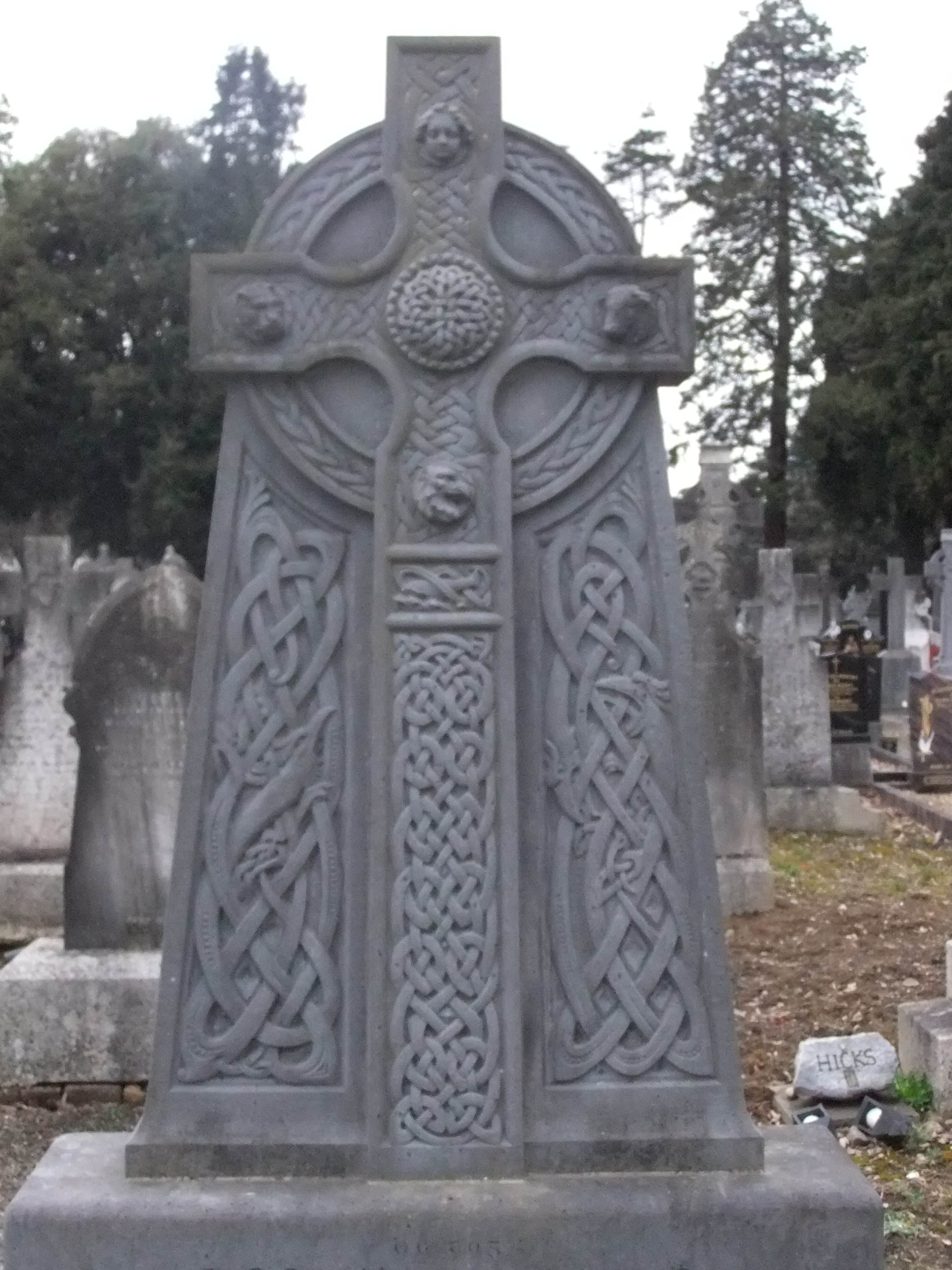
Stone · Glasnevin Cemetery, Dublin
The Cait O’Kelly Memorial (1936) at Glasnevin Cemetery is among the most elaborate of Power’s funerary commissions — a Celtic high cross carved with dense in...
View work →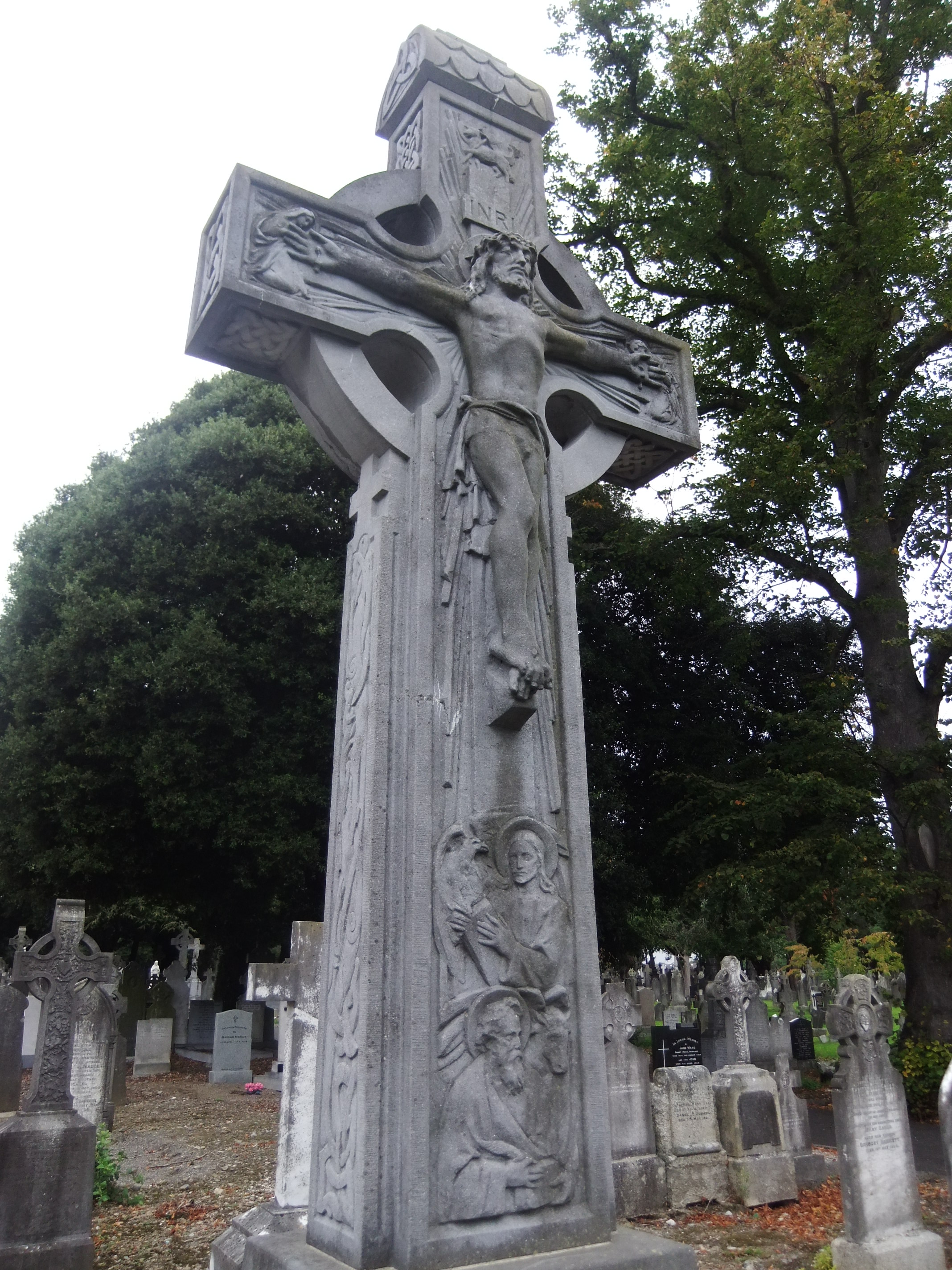
Stone · Glasnevin Cemetery, Dublin
The McKernan Memorial (1937–40) is one of the largest and most ambitious of Power’s works at Glasnevin Cemetery — a tall crucifixion cross bearing a full fig...
View work →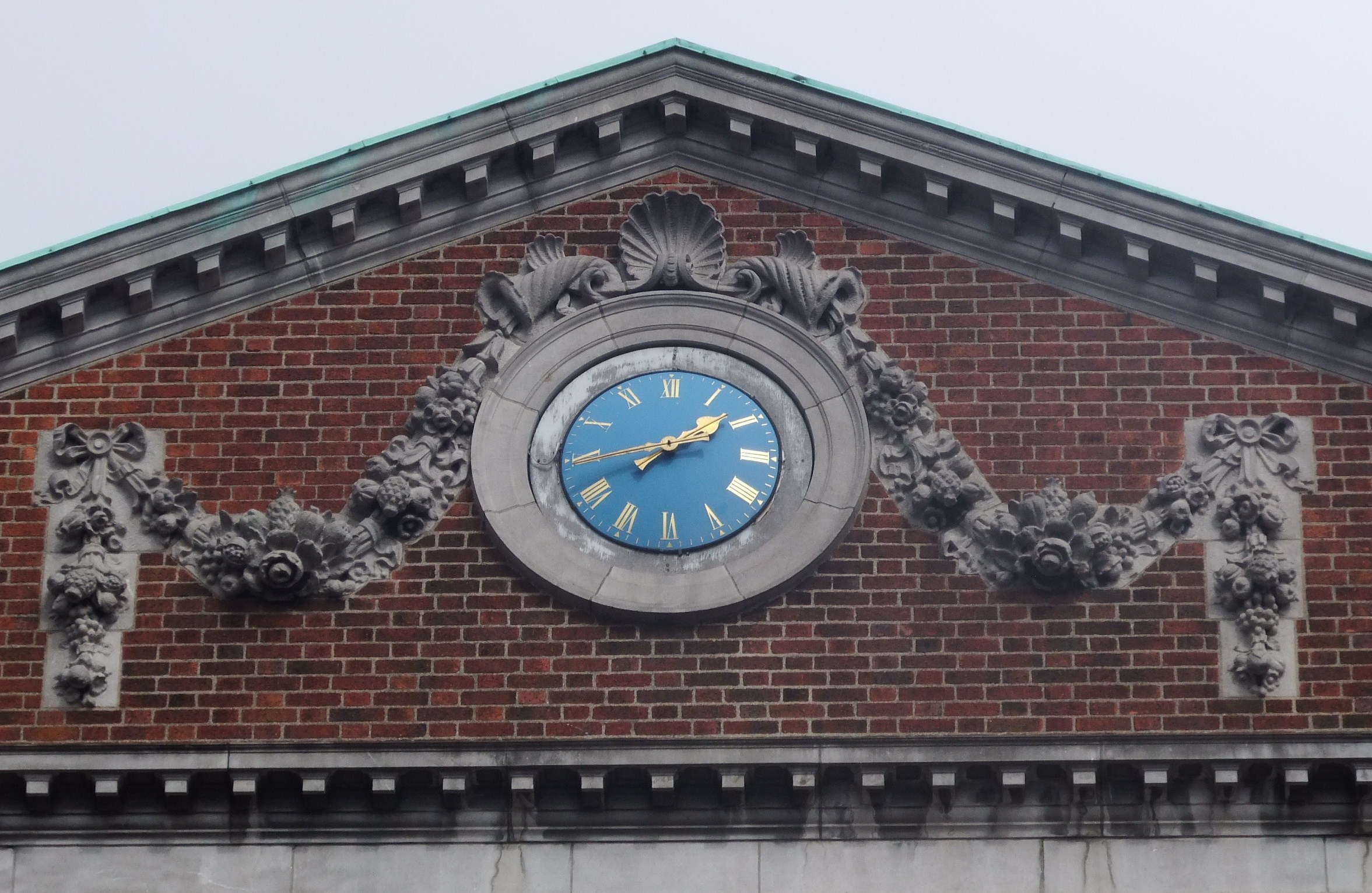
Stone · Holles Street, Dublin
In 1933, Albert Power produced decorative stonework for the National Maternity Hospital on Holles Street, Dublin — founded in 1894, as recorded on the stone ...
View work →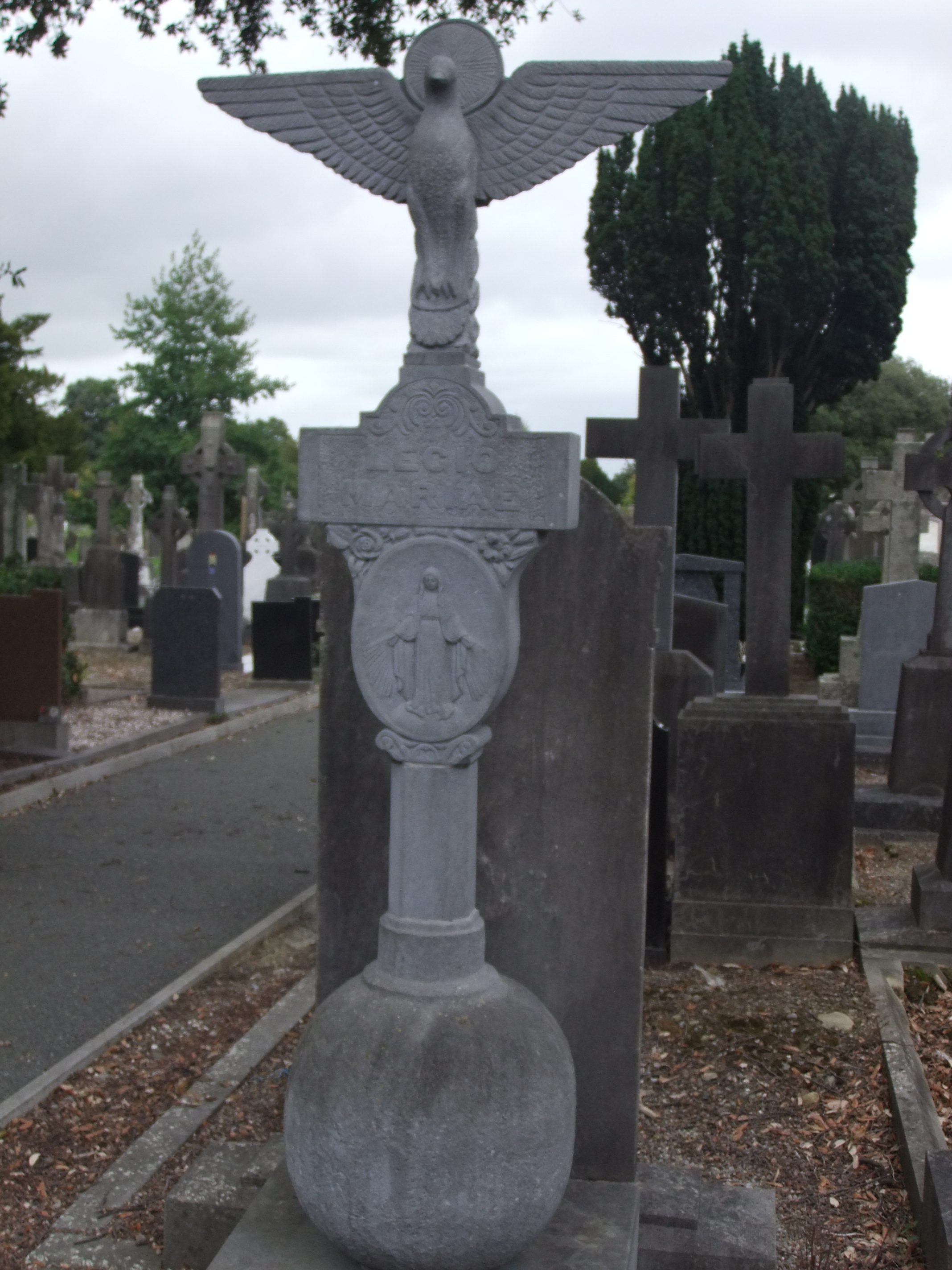
Stone · Glasnevin Cemetery, Dublin
This memorial at Glasnevin Cemetery commemorates the Legion of Mary — the Catholic lay apostolic movement founded in Dublin in 1921 — and bears the Latin ins...
View work →This catalogue is in active development. Works are being added as documentation is verified. If you have knowledge of unrecorded works by Albert G. Power, please get in touch.