Museum Collection
Collins Barracks
National Museum of Ireland — Decorative Arts & History
The National Museum of Ireland's Collins Barracks site, dedicated to decorative arts and history, holds some of Albert G. Power's most historically significant works — produced during the most violent and consequential months of the Irish Civil War.
Three works by Power are held in the museum's collection: the death masks of Michael Collins and Arthur Griffith, made within days of each other in August 1922, and the bronze portrait bust of Countess Markievicz, made a decade later in 1932.
The museum building itself is the former Royal Barracks, one of the oldest purpose-built military barracks in Europe, renamed in honour of Michael Collins after independence — making it a fitting home for the death mask made of him in the hours after his death.
Works in This Collection
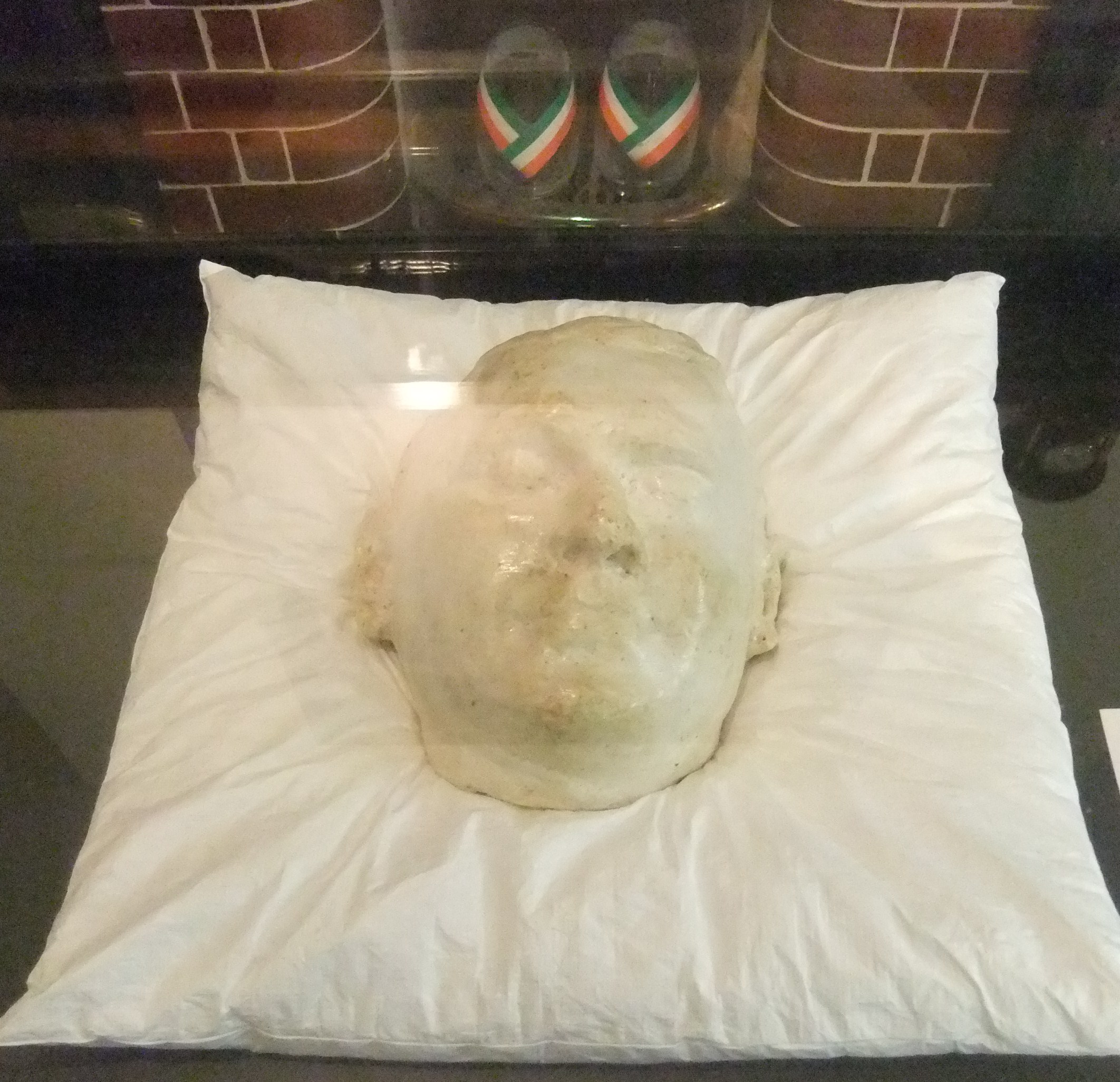
Death Mask of Michael Collins
Plaster
Made within hours of Collins's death at Béal na Bláth on 22 August 1922. The most accurate physical record of his appearance in existence, and the direct basis for Power's 1936 bronze bust now in the National Gallery of Ireland.
Full work entry →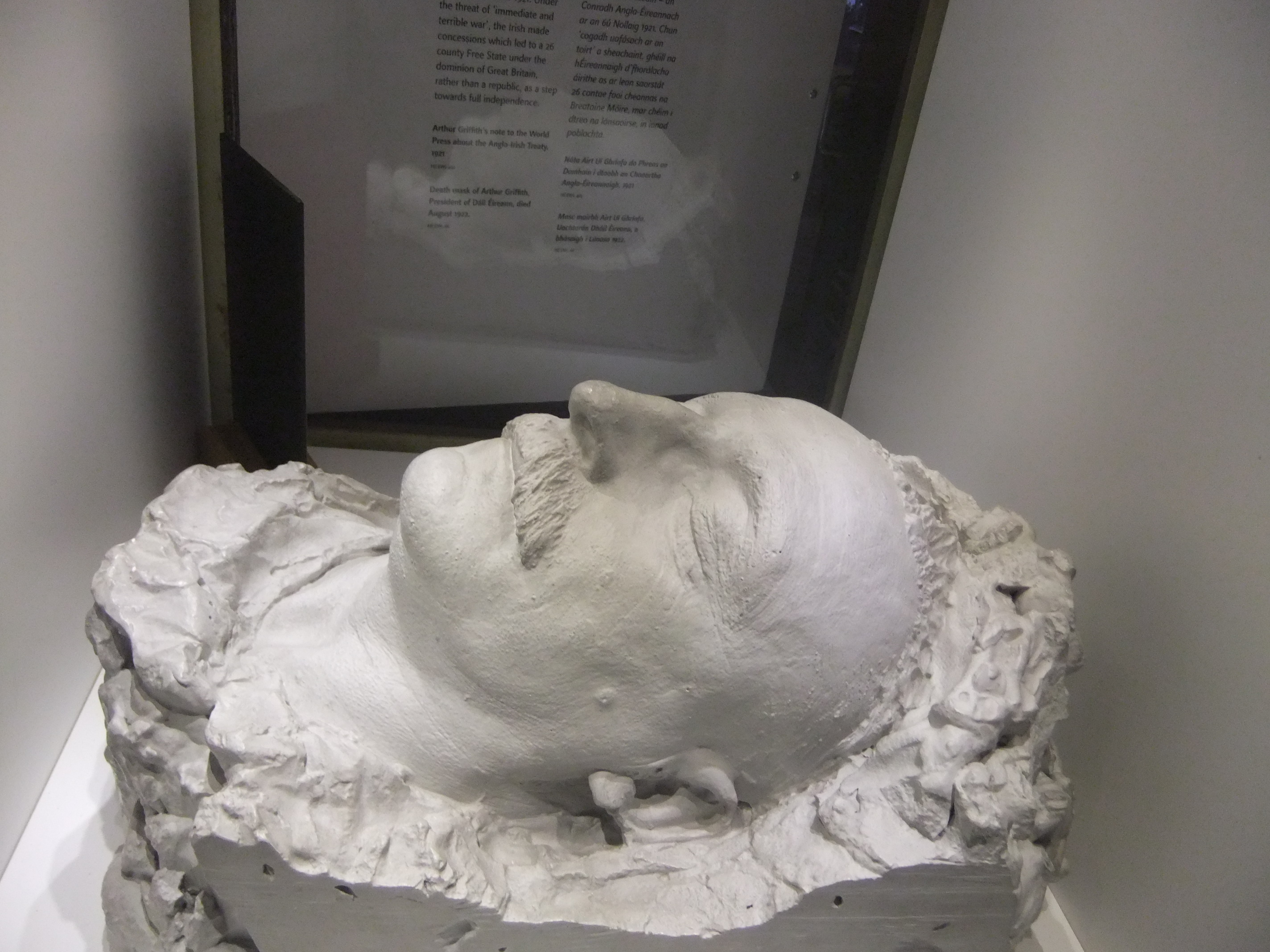
Death Mask of Arthur Griffith
Plaster
Griffith died on 12 August 1922 — ten days before Collins. Power's two masks, made within a fortnight of each other, capture the two architects of the Irish Free State at the precise moment of its birth.
Full work entry →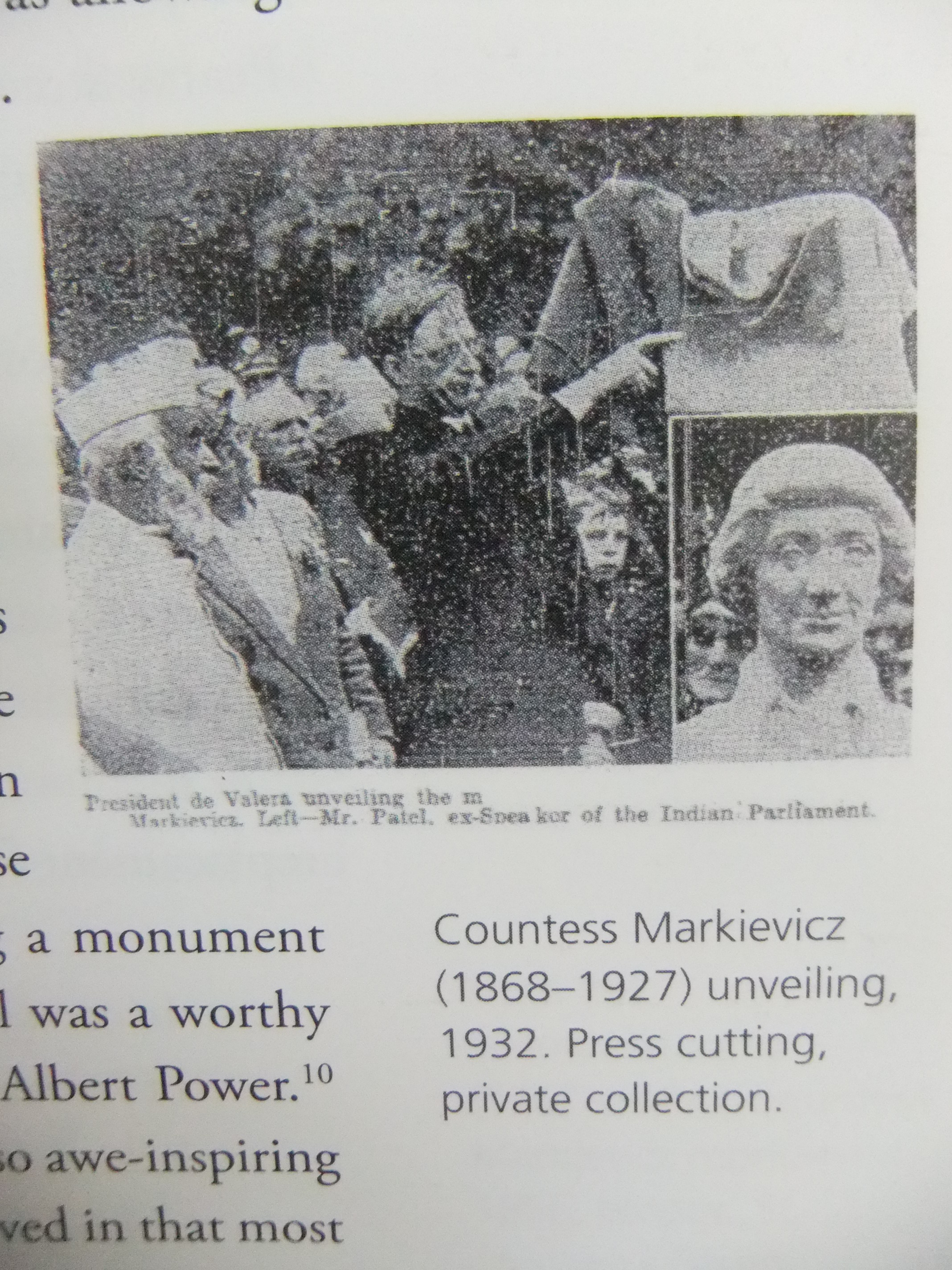
Portrait Bust of Countess Markievicz
Bronze
Made five years after Markievicz's death, this portrait captures the revolutionary and politician with the same unsentimental directness Power brought to his other subjects of the period.
Full work entry →